June 25th 2026
Bula, today is Thursday, June 25 2026. Today is our last day of the trip. While today will mostly be travel, I will take you through everything today as well as give some final parting words that I feel represent our trip directly from our speakers on this trip.
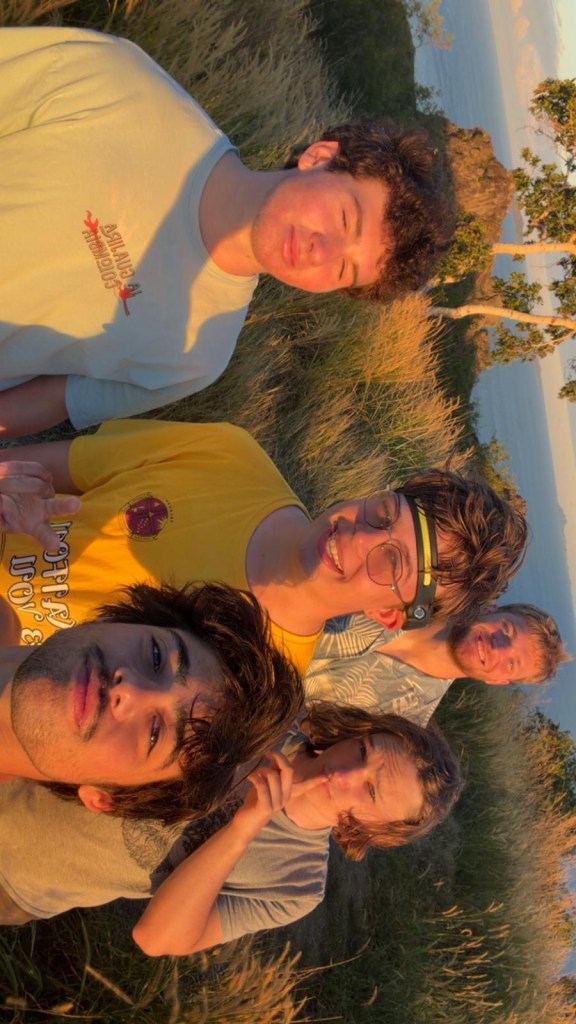
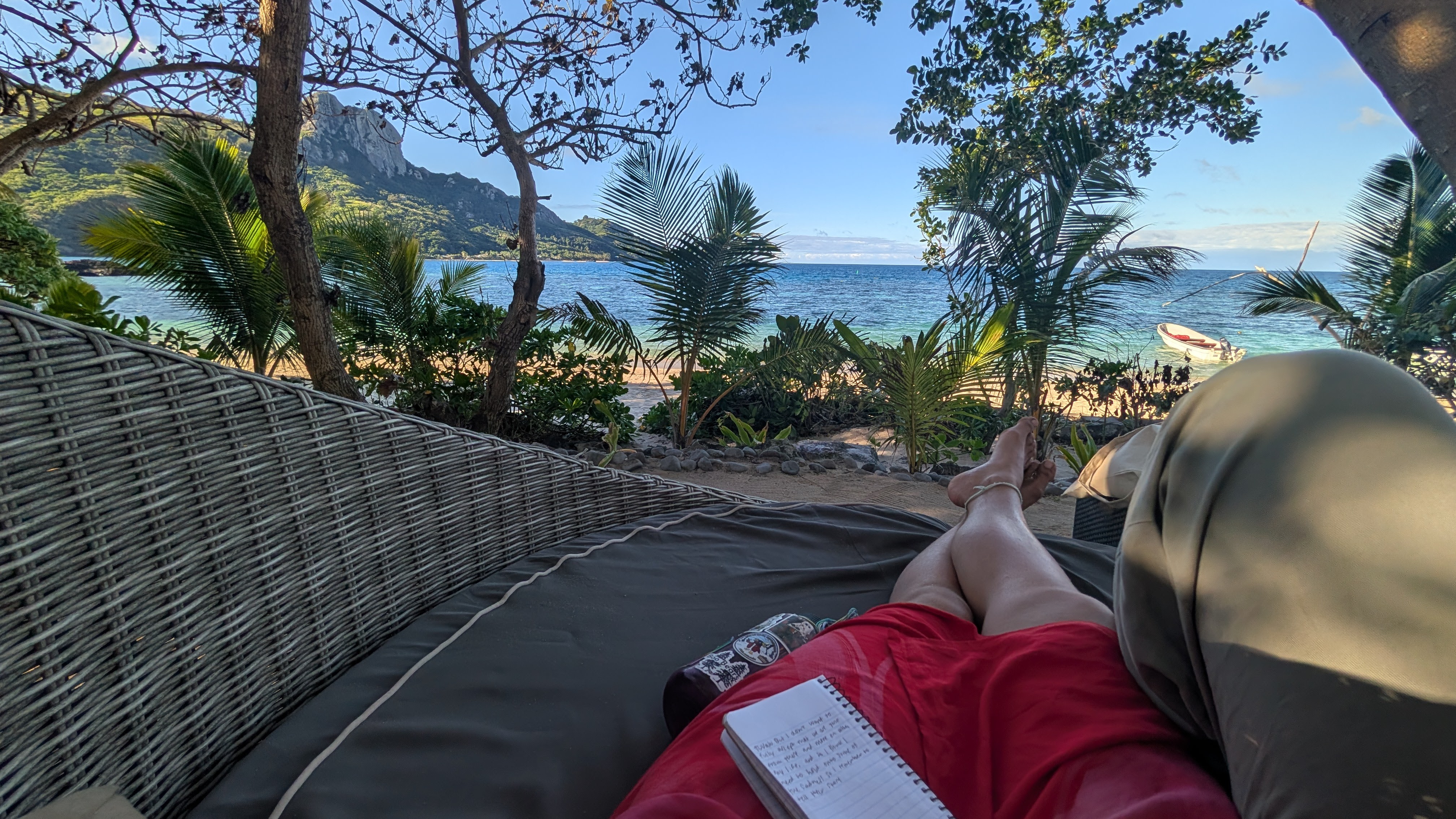
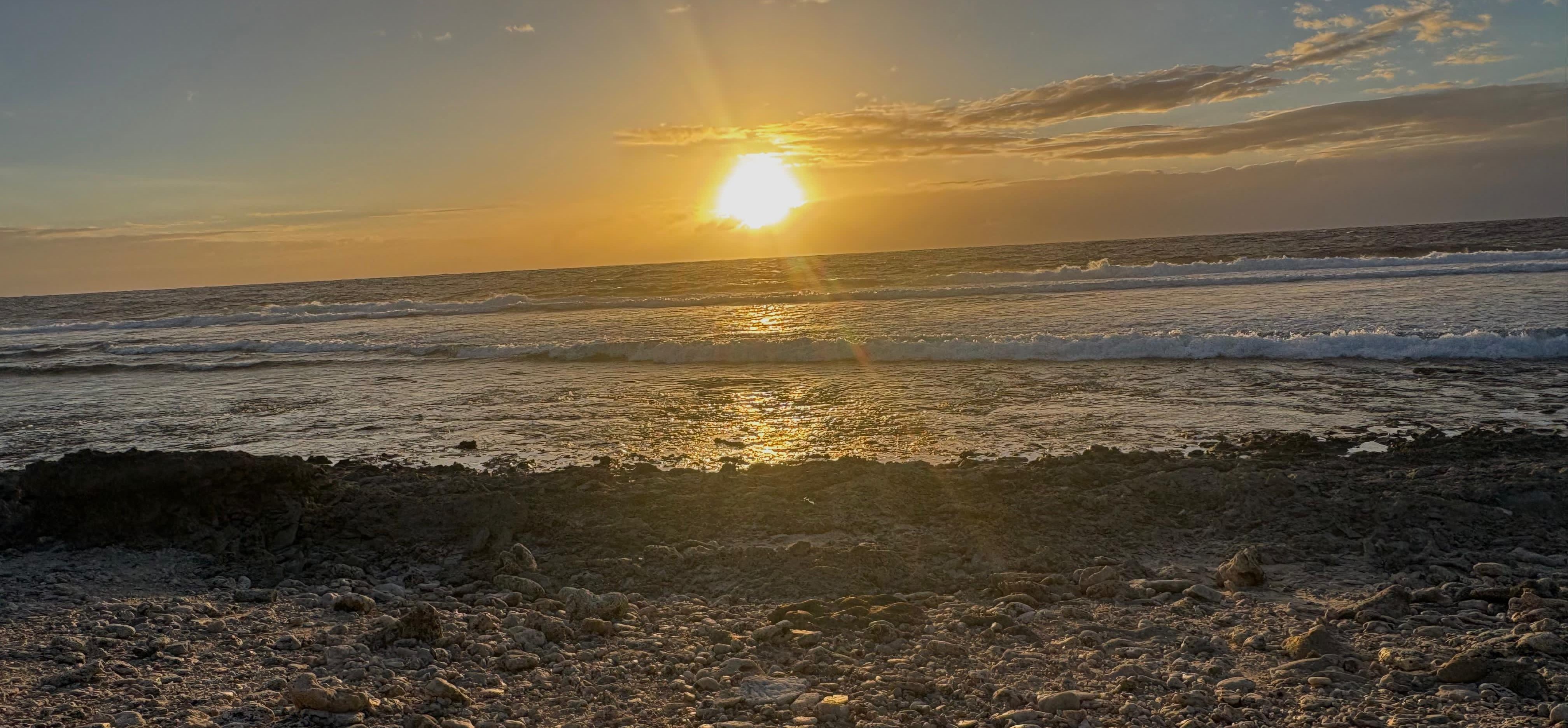
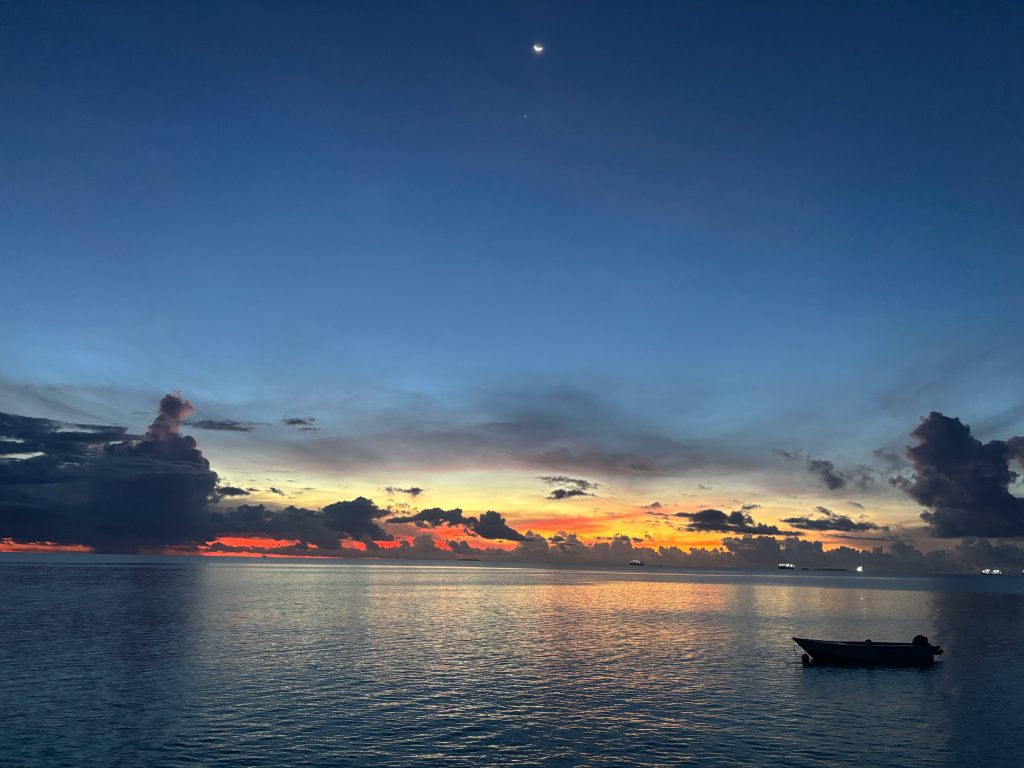
Some members of our group got up this morning to see the sunrise one last time in Fiji. The boys decided to hike to the highest point of the island and watch the sunrise from there, while the girls opted to sit and watch it crest from beach.
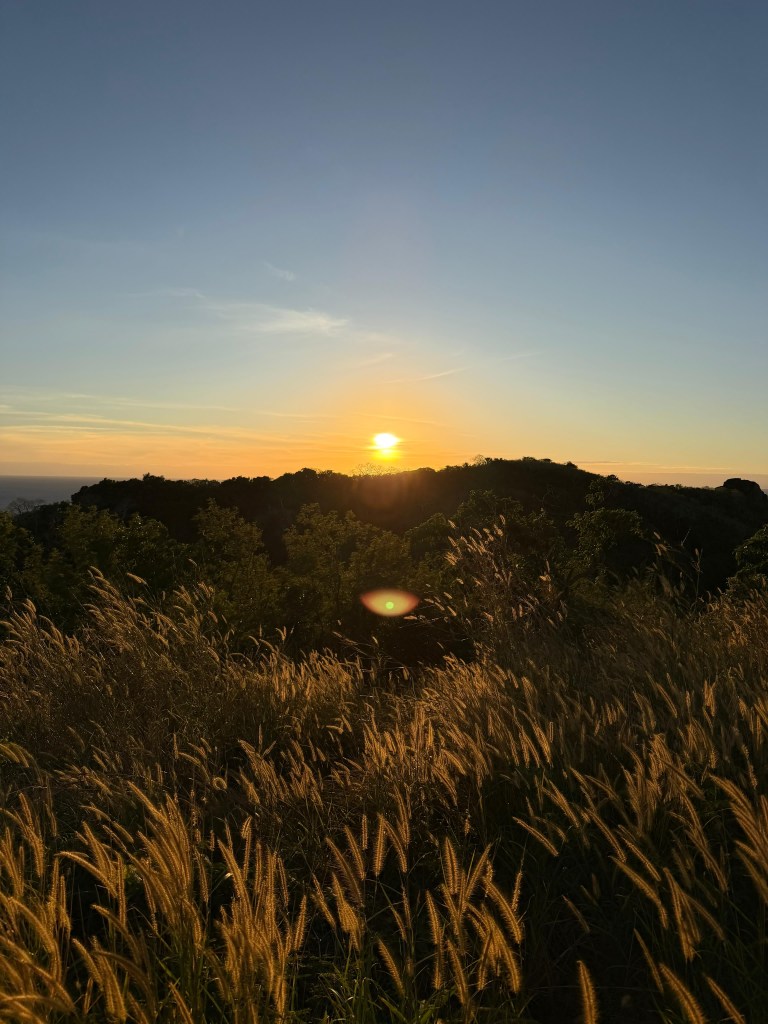
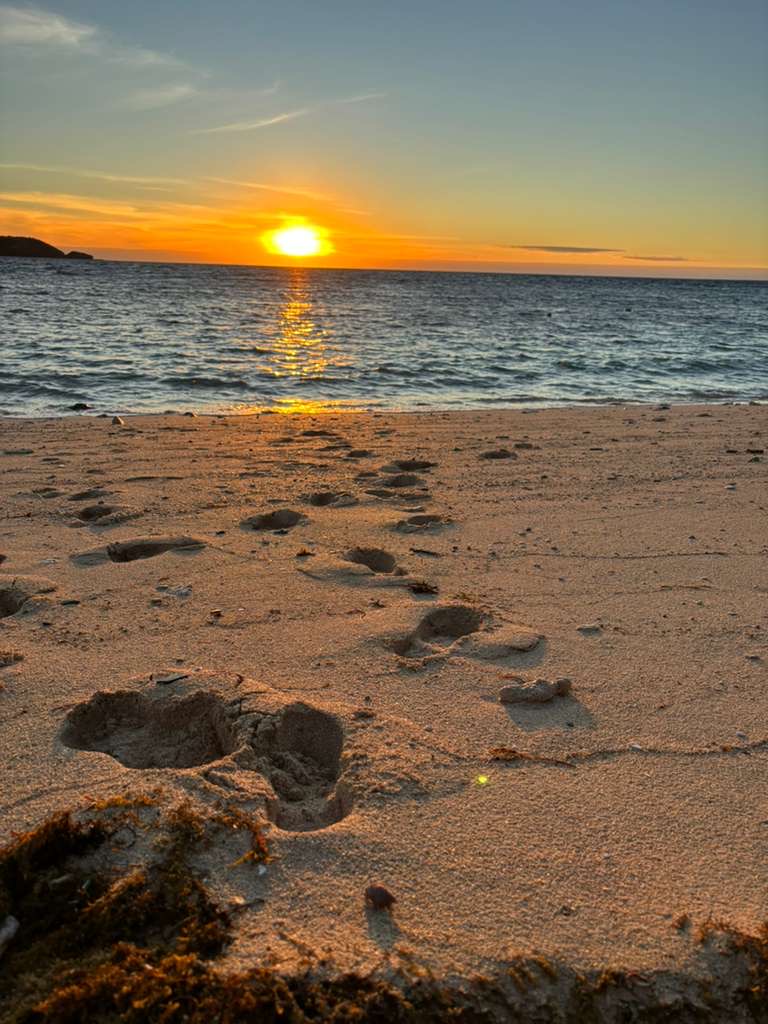
Sunrise view from the beach (Photo Credit: Sara Moore)
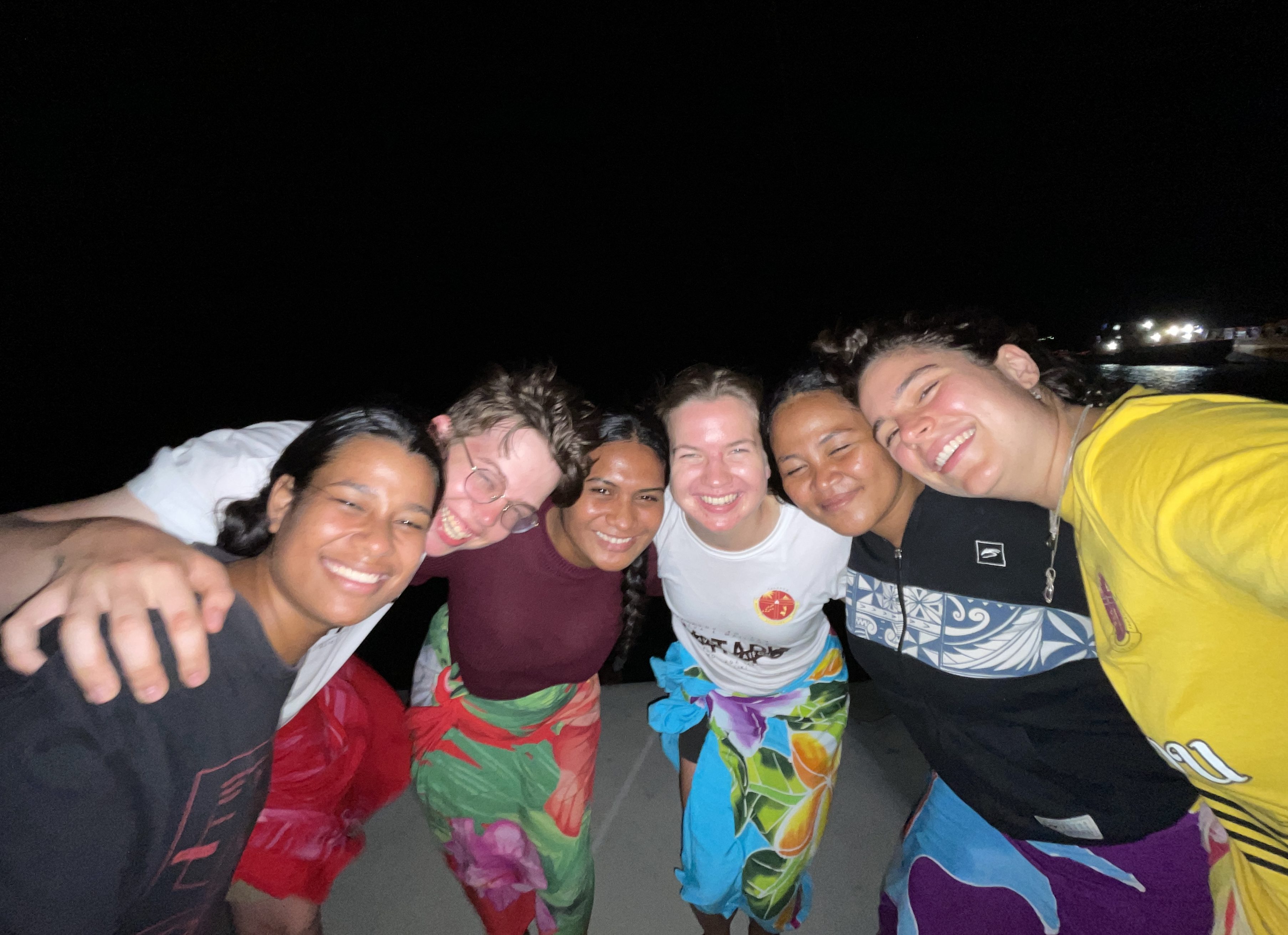
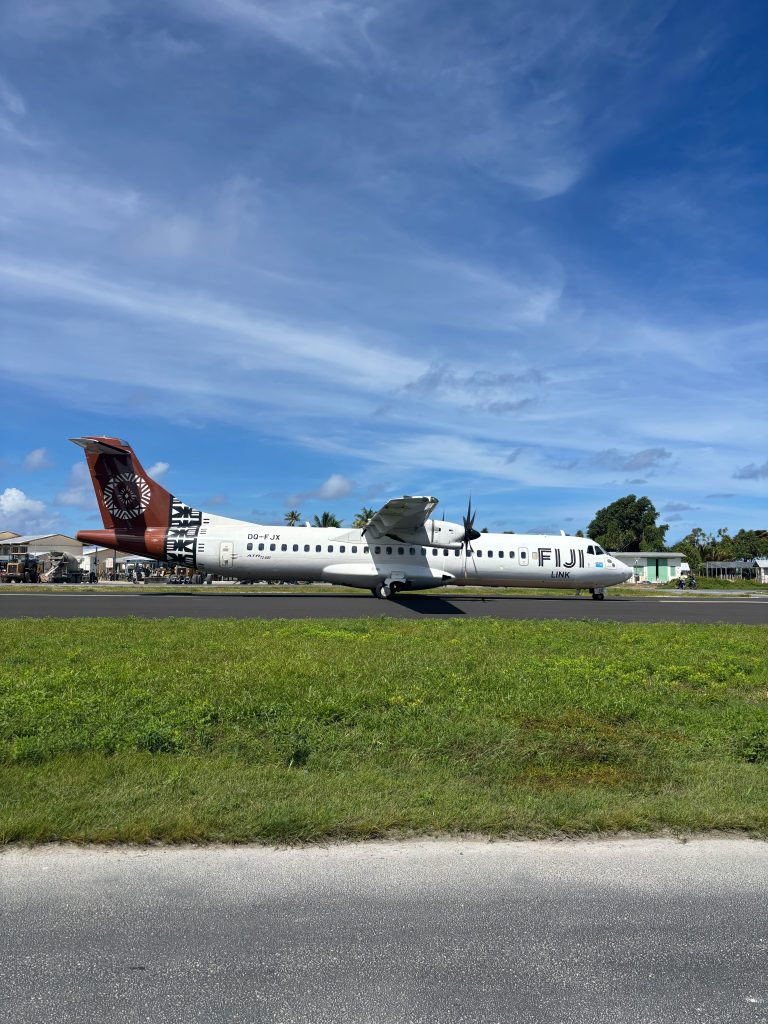
From there we spent our moments soaking up the sun until the dreaded moment came to leave. We boarded the boat and reflected on the past three weeks and how life changing it has been. Some silently gazing into the distance, some joking around as they take in the conclusion of an almost indescribably impactful journey. We got to the airport and boarded our flight to continue our long day of travel, after landing we begrudgingly parted ways to return home on separate flights. As I walked away I thought about how I would want to describe this trip, spending three weeks learning more about the southern hemisphere than I thought I would ever know. Reciting information, stories and names like they have always been apart of my life and I have decided.
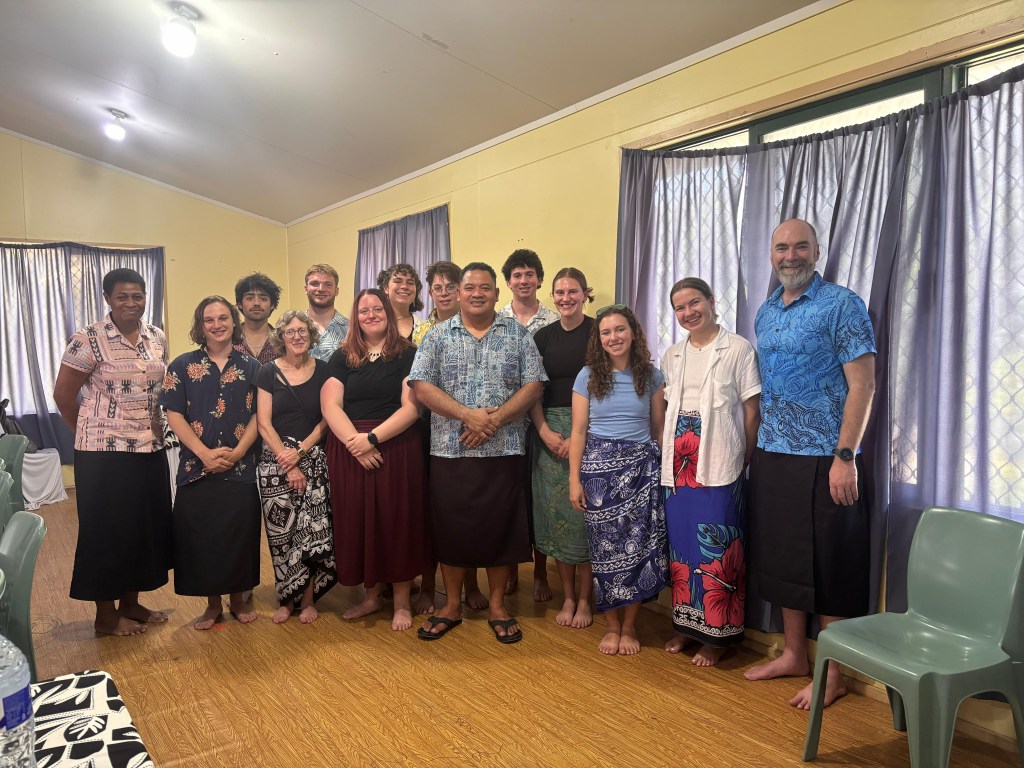
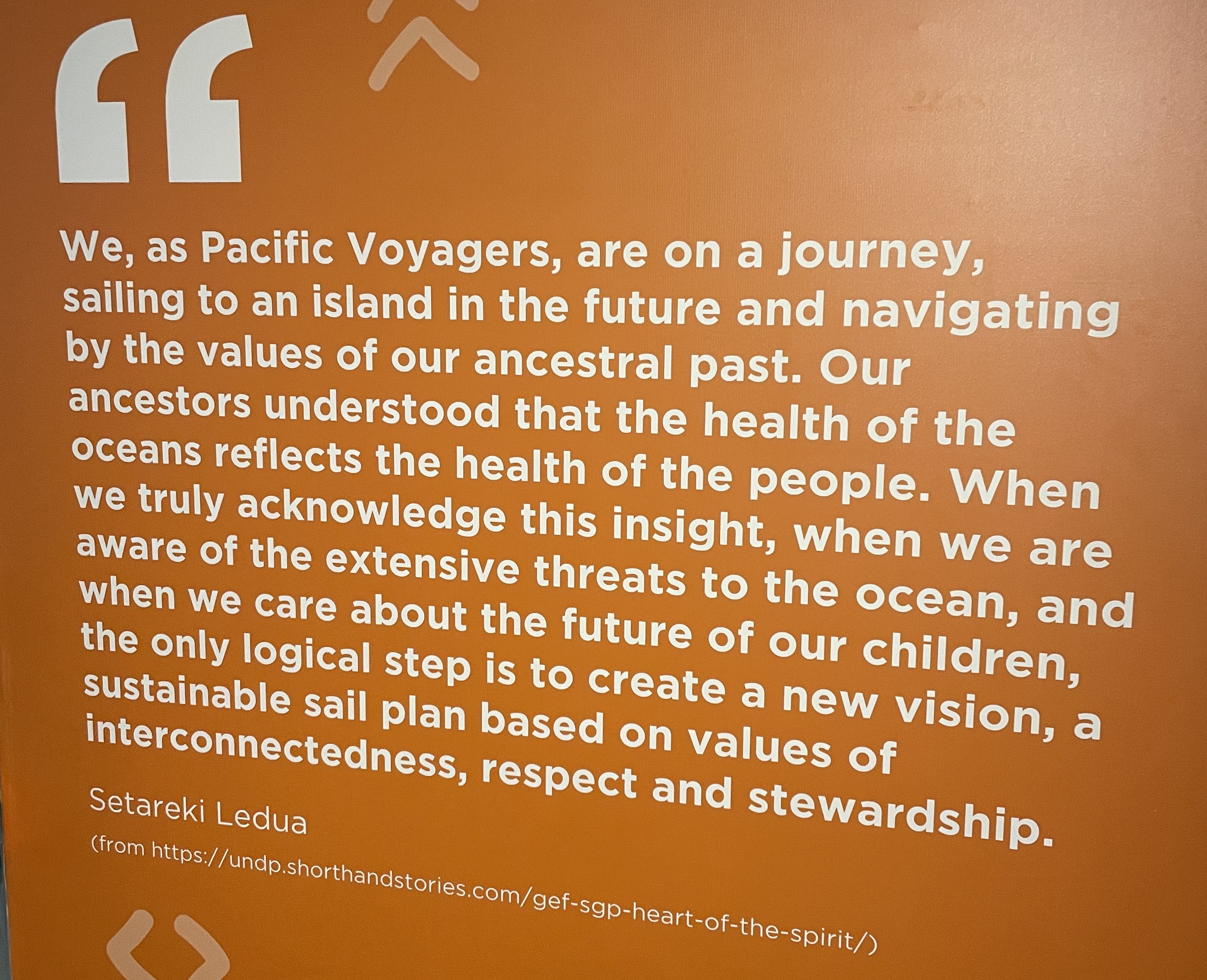
One of the objectives of this trip as you very well may know by now is to shine light onto pacific voices that are often unacknowledged and ignored. I wanted to take this time to share some of the most impactful quotes from the individuals we had the privilege of getting to connect with and here from on this trip.
Tafue Lusama
“There will come a time when people will realize that change is needed. The beginning of the problem is the beginning of the solution. Attack it now”
“To be silent is to do nothing”
Netani Reki
“When is what you have enough”
“We must address climate injustice as both and not an either or”
“Do what you can with whatever you have”
“Train journalists to understand climate change in every aspect and invest in education”
Maina Talia
“For the west climate change is about greed and the accumulation of wealth. For Tuvalu it is about survival”
“We don’t need your prayers we need you to act”
Fiddle Casimira
“’ Io se rere, io se vas ta, io se laloga.’ Which translates to ‘Look up look out look in’”
“We are privileged to be on earth and we have a responsibility, to improve it.”
“Unless you are willing to tell a different story nothing will change”
James Baghwan
“Is a pacific life worth more than an American life? Is a pacific life worth more than your comfort?”
While I leave you to sit with these words I want to ask you: What you can do to be better? What are changes in your life that you can make? Things that you can give up so that you can make a meaningful difference even if it’s small. Maybe it’s eating less red meat, switching to less single use plastics, taking more public transportation. Getting out and voting. 60% of Americans care about climate change but the issue is often neglected due to “more important issues.” Do what you can, even if it means sacrificing something.
I encourage you to look at https://drawdown.org/explorer to educate yourself on the solutions being employed around the world.
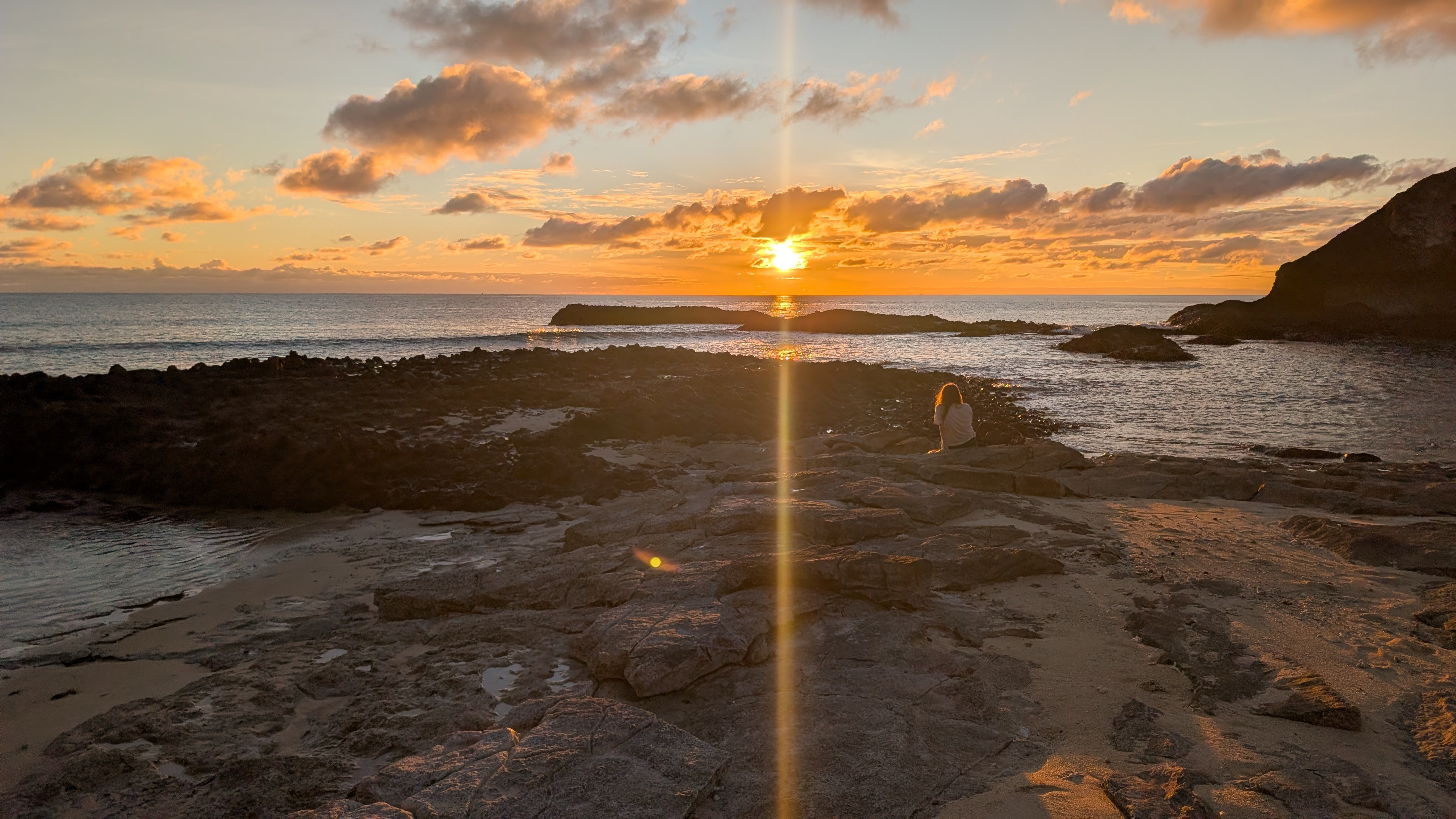
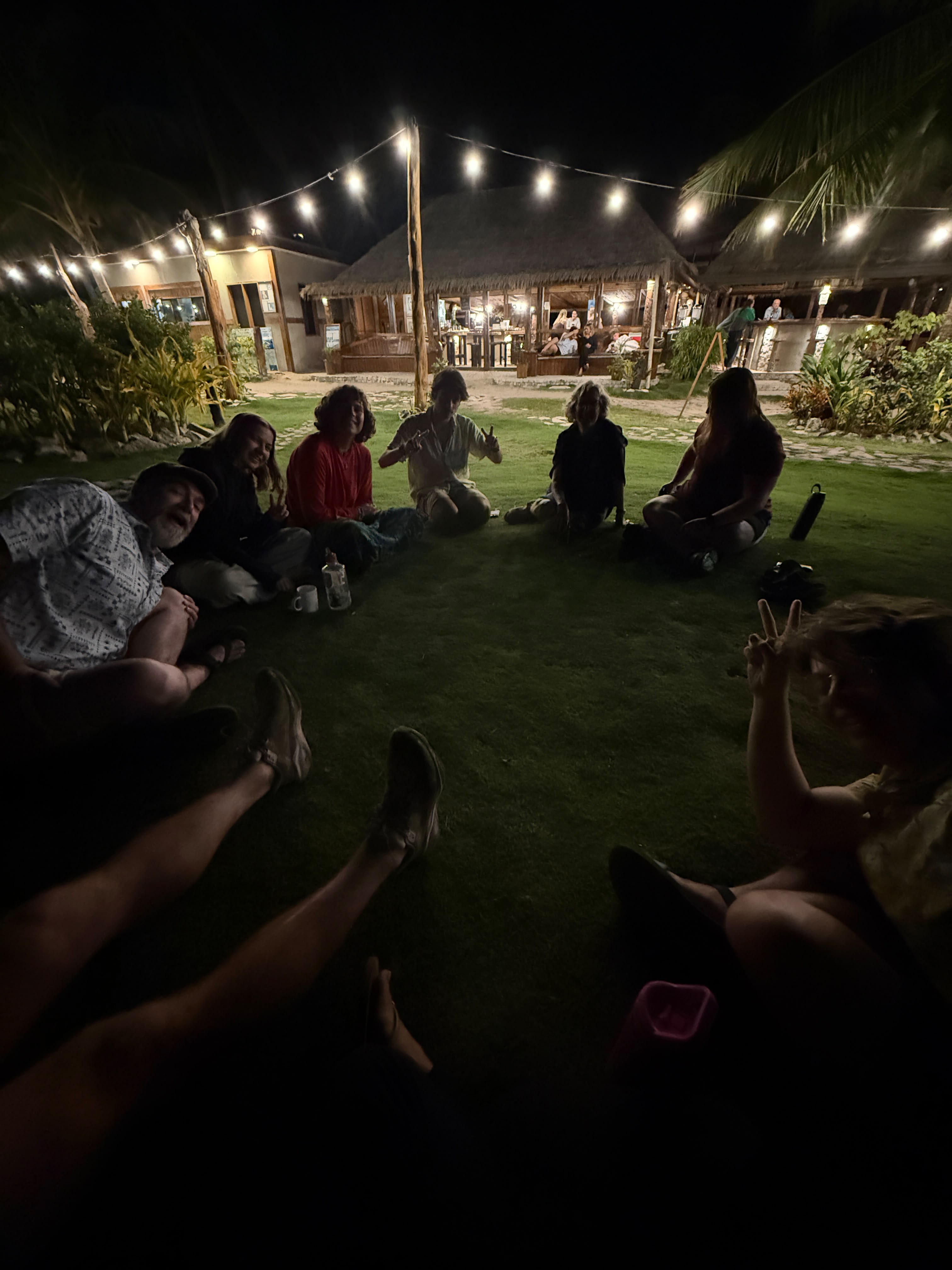
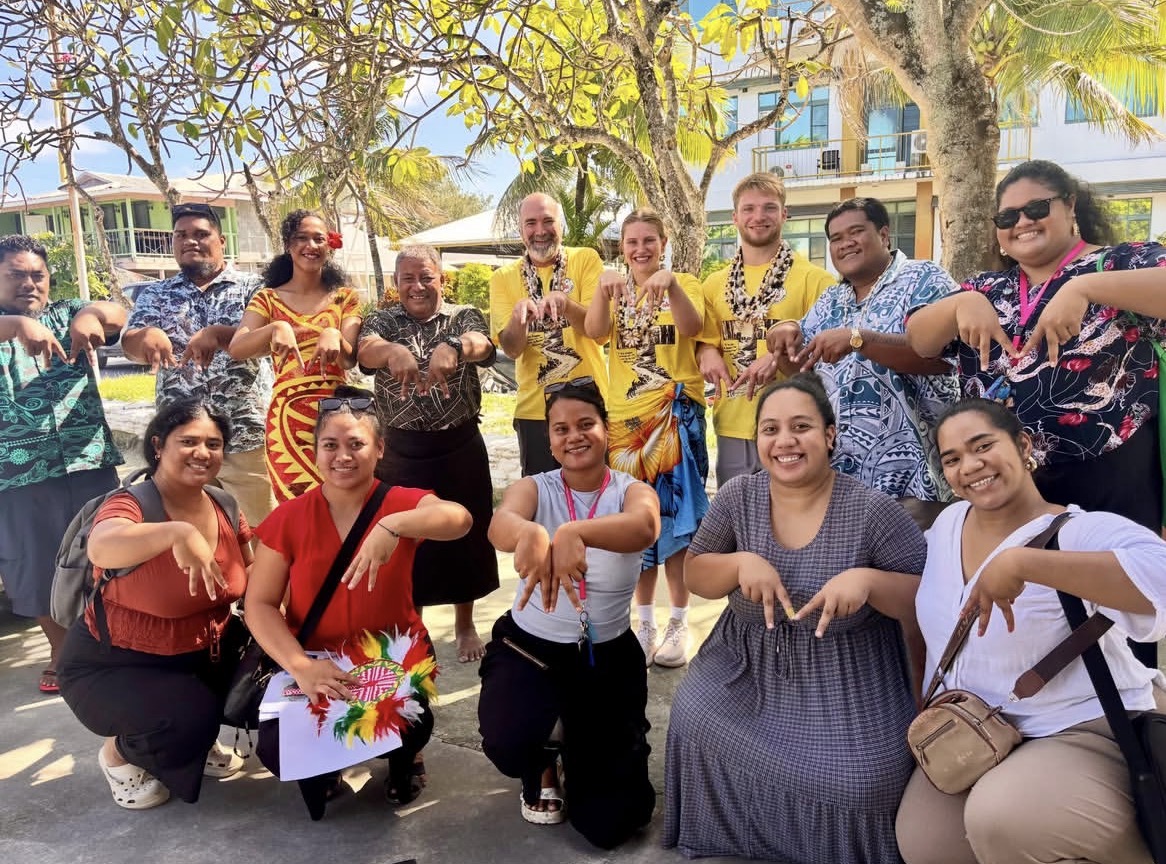
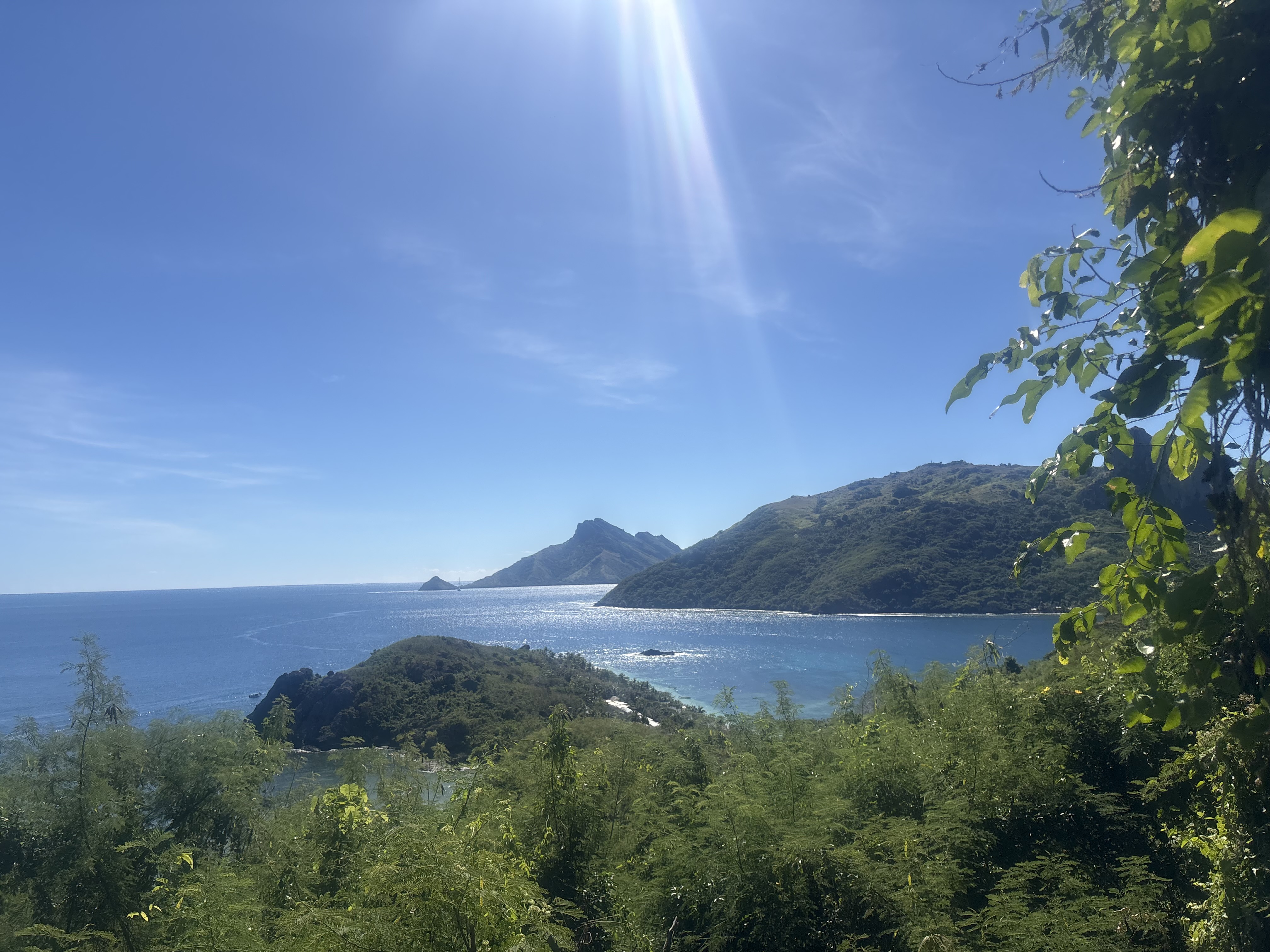
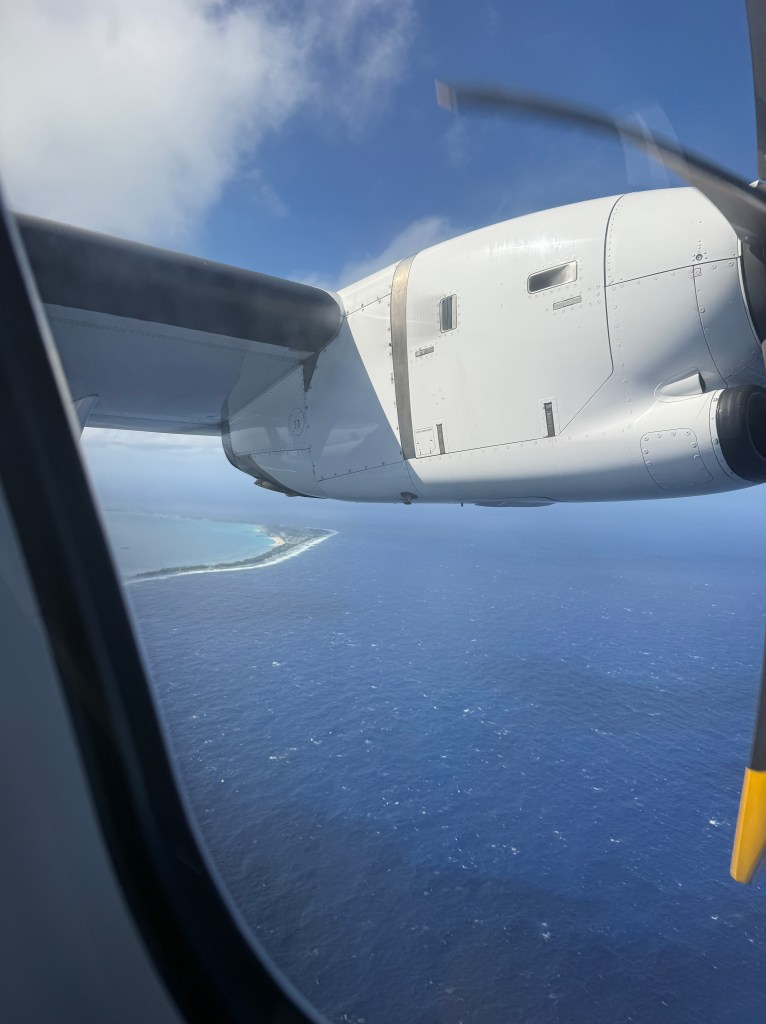
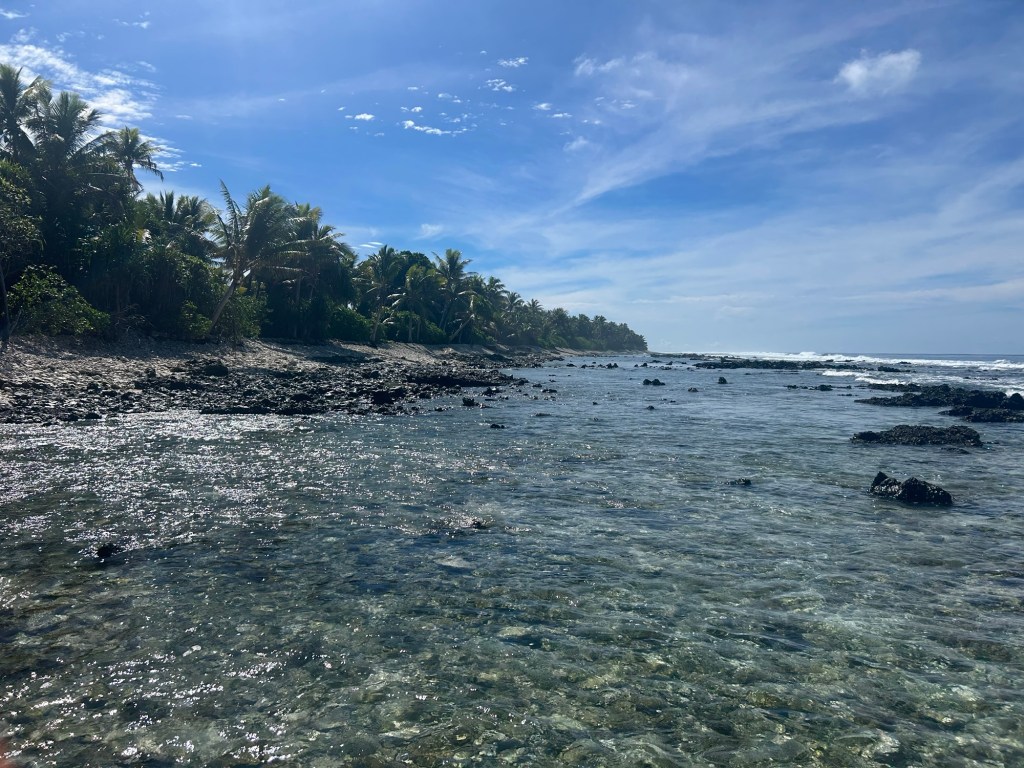
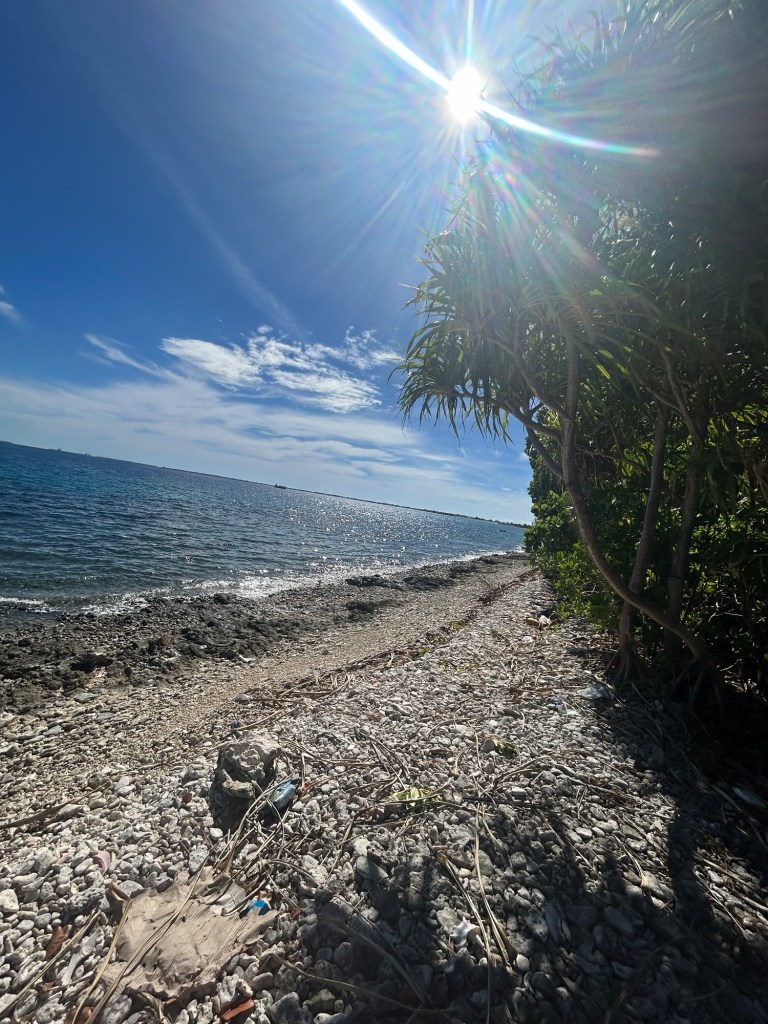
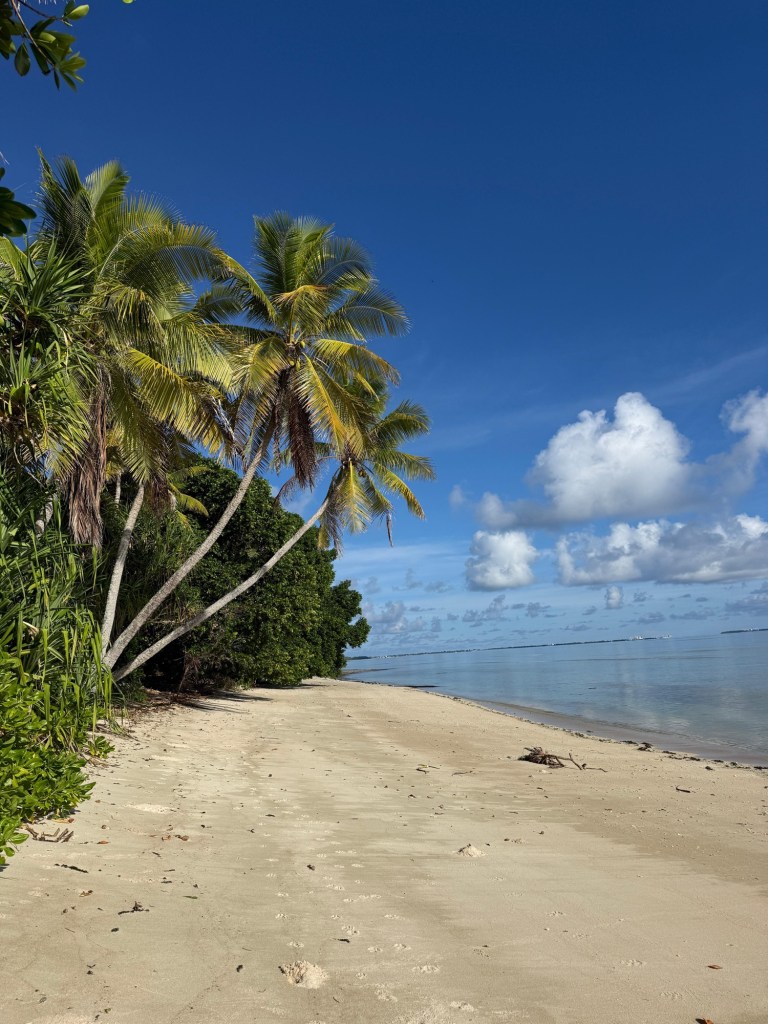
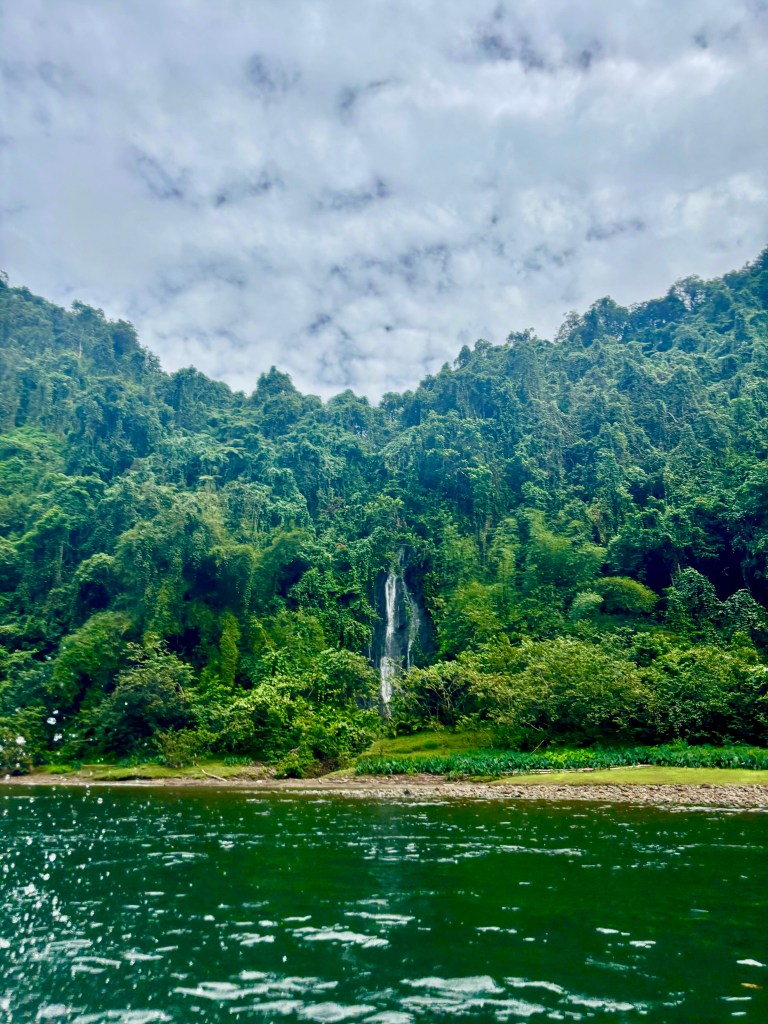
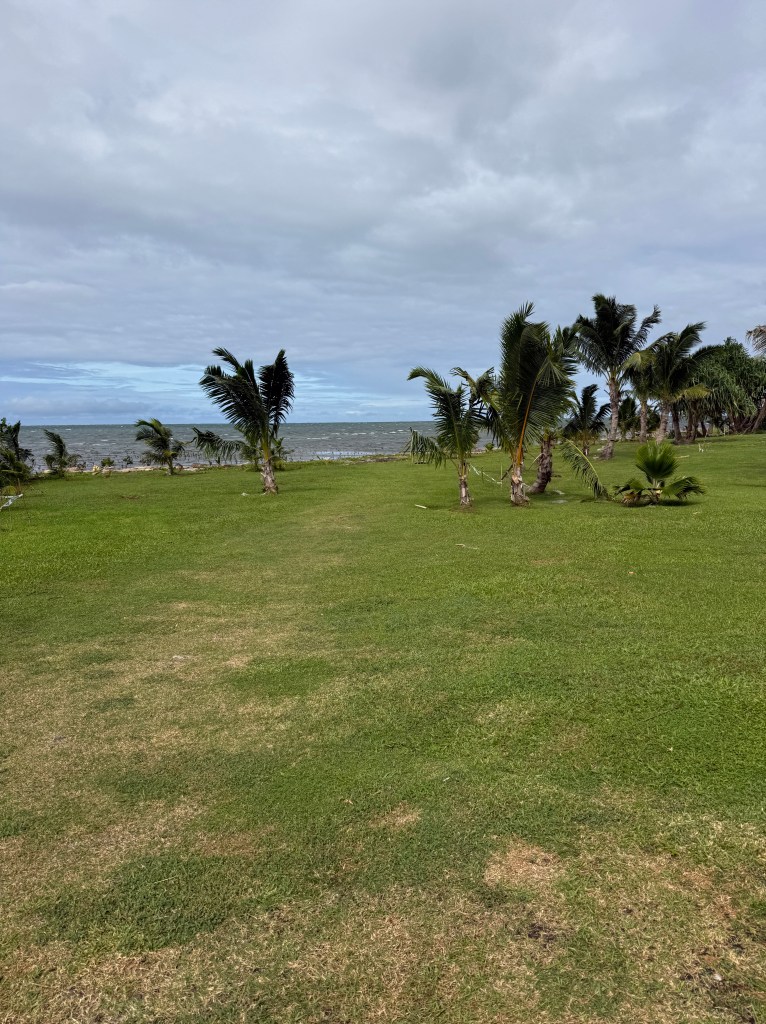
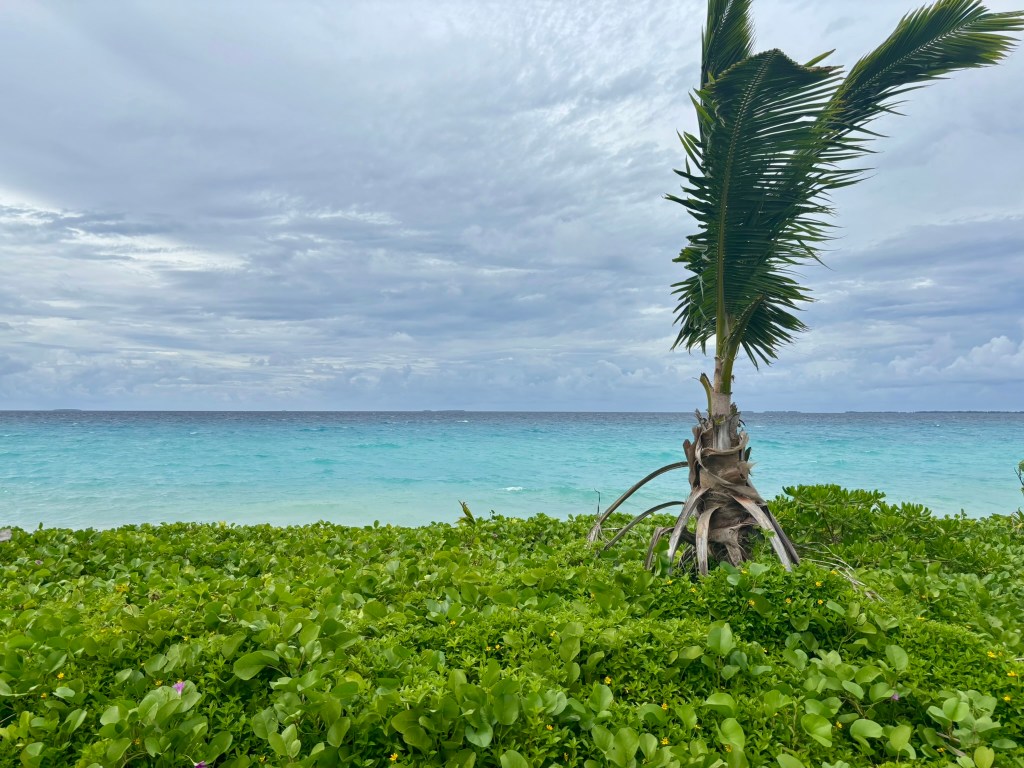
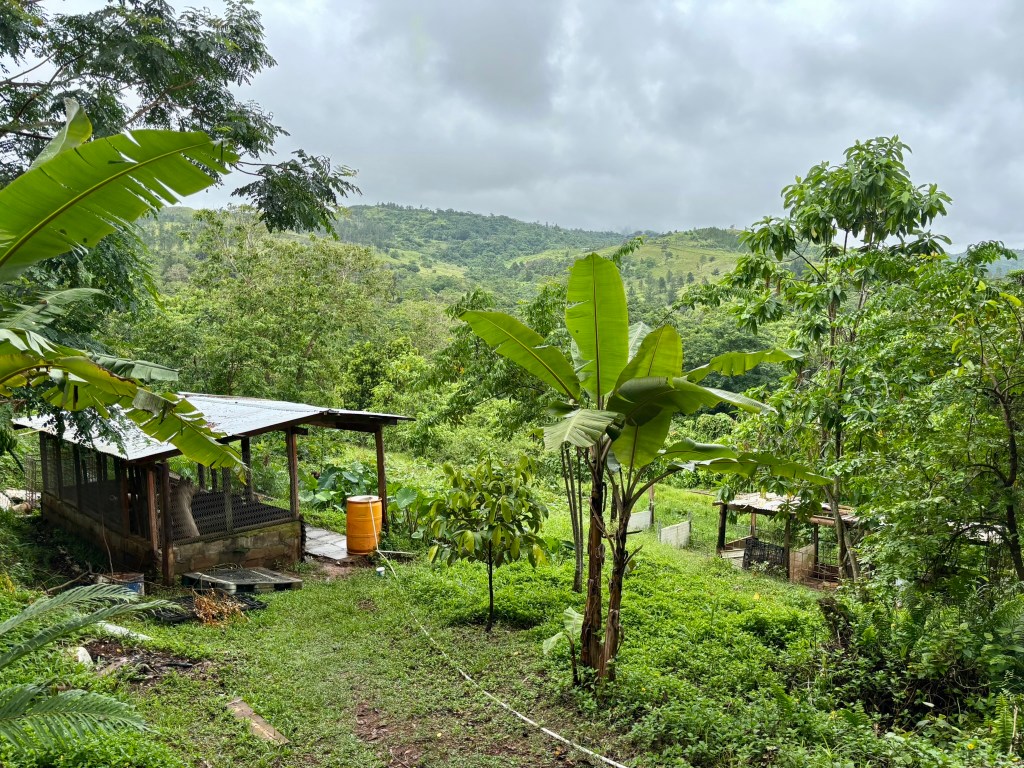
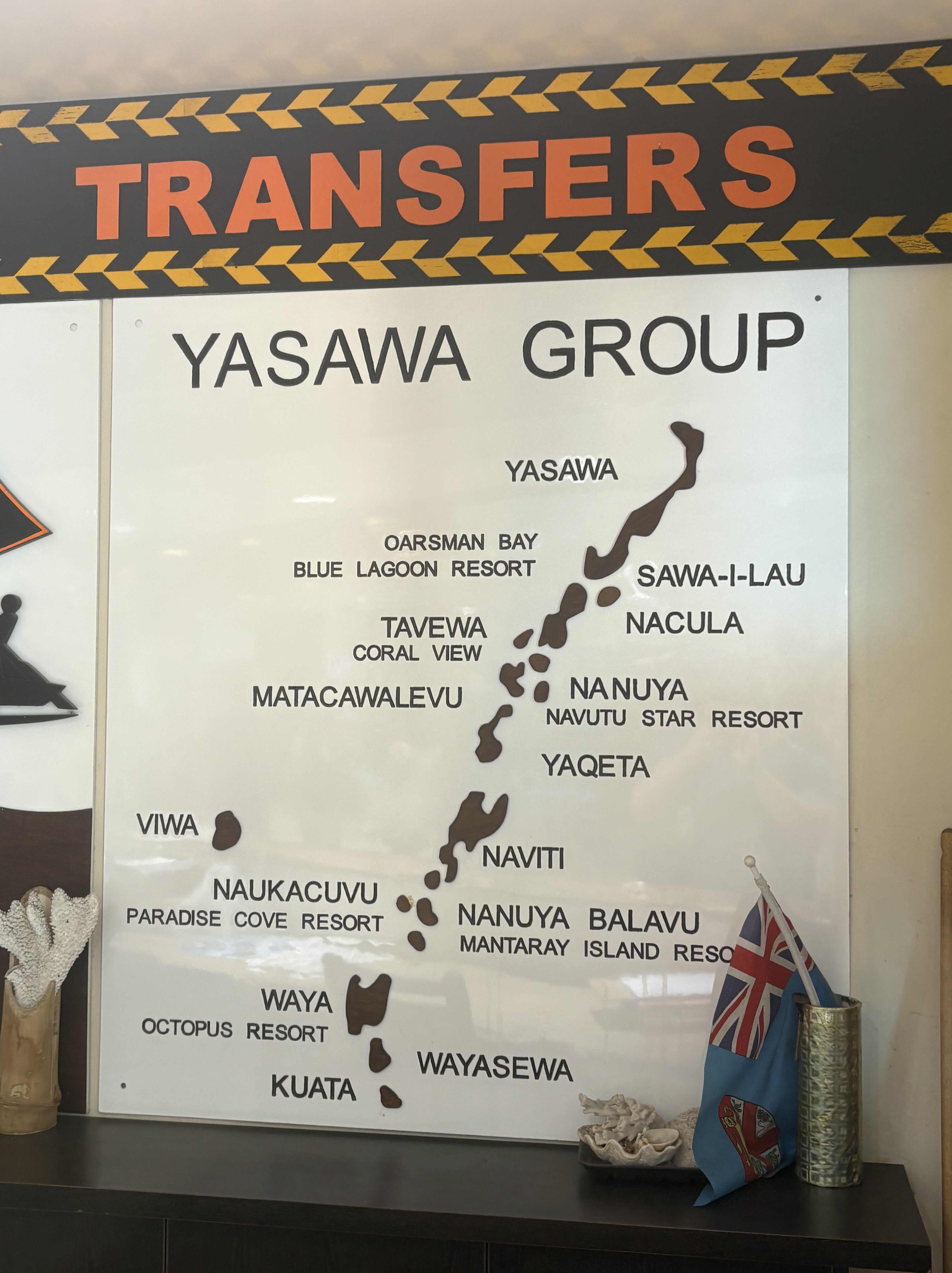 Kuata is apart of the Yasawa group of islands located Northwest of Nadi, Fiji. Credit: Brock Sivon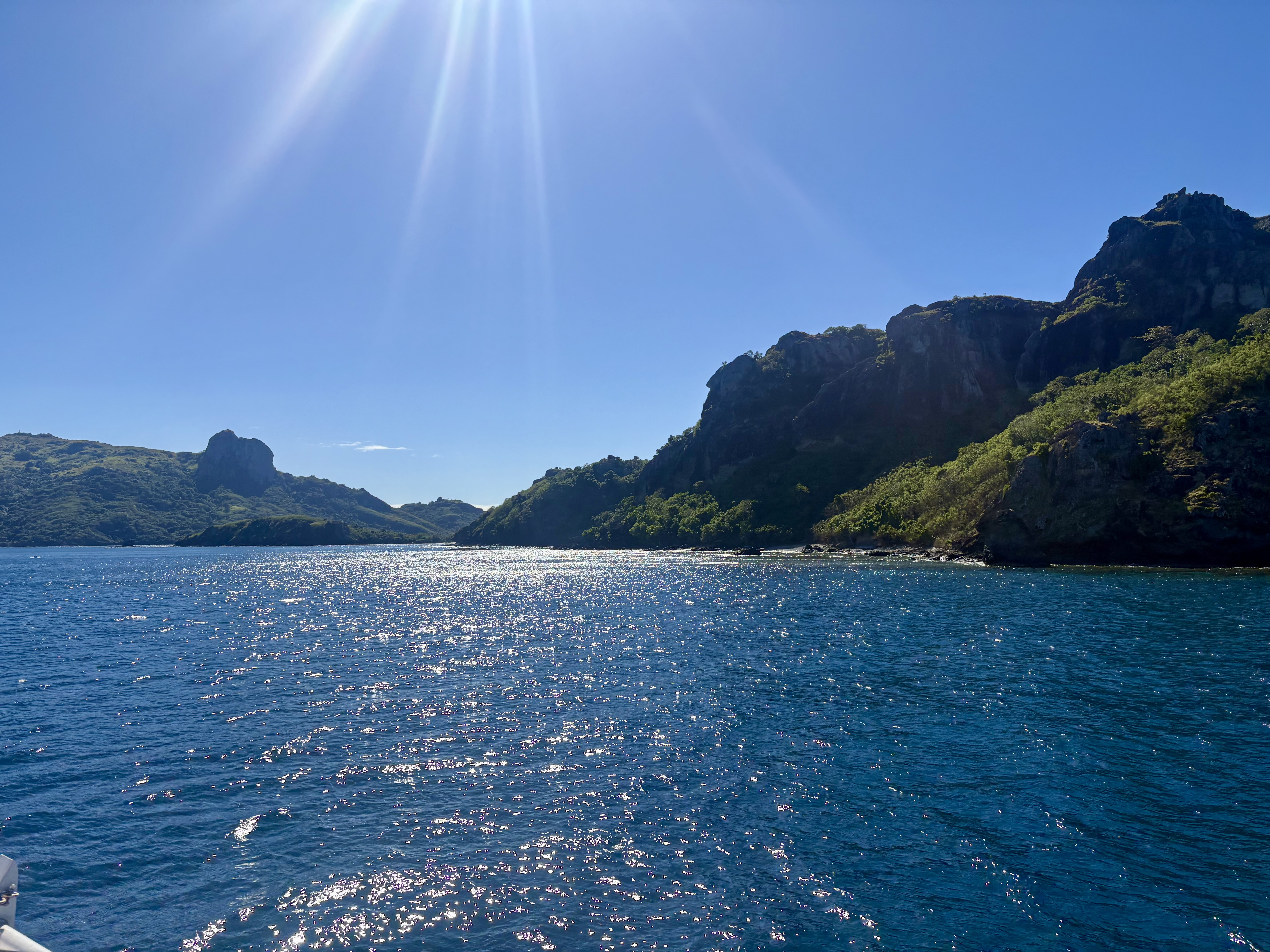

 Pacific Climate Justice TREK