Anna Mapes (June 9th 2026)
Hello! Today is Tuesday June 9th and today was a packed day filled with a lot of interesting and important information. We started off the morning by walking over to the PCC (Pacific Conference of Churches) headquarters for our 3rd and 4th lectures of the trip. First we had the pleasure of talking to Alfred a Rotuman activist with a specialty in negotiation in climate and ocean work joined by his colleague Kara, where they work together at WWF (world wildlife fund) to safeguard Fijis sea turtles. The pacific hosts 6 out of 7 species of sea turtles in the world, 5 of which are found in Fijian waters and 2 species recorded nesting in Fiji. The critically endangered Hawksbill turtles and green turtles.
During nesting season, local communities and volunteers monitor sea turtle nests and track hatchling success. Sea turtles spend about 30 years traveling the Pacific before returning to the beach where they were born to nest, making the protection of nesting sites essential.
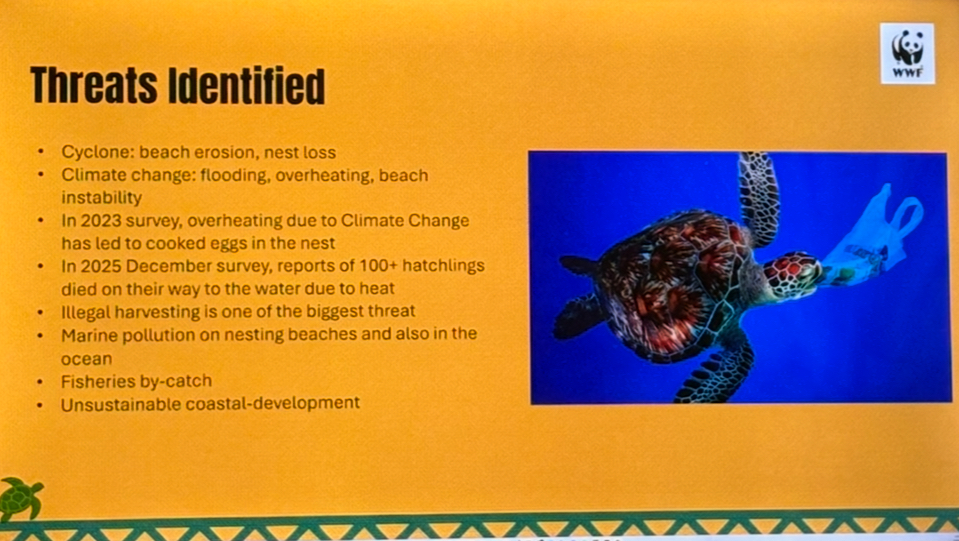
WWF is improving conservation efforts through infrared drones that count eggs without disturbing nests and genetic monitoring to track turtle origins. Community involvement remains central to conservation, Alfred mentioned the importance of taking back their life experiences back to Rotuma to educate the youth. Showing that the heart of the work is at the community to benefit the turtles and them. The WWF also provides support to women’s groups implementing Co designed initiatives describing “Women as agents of change”
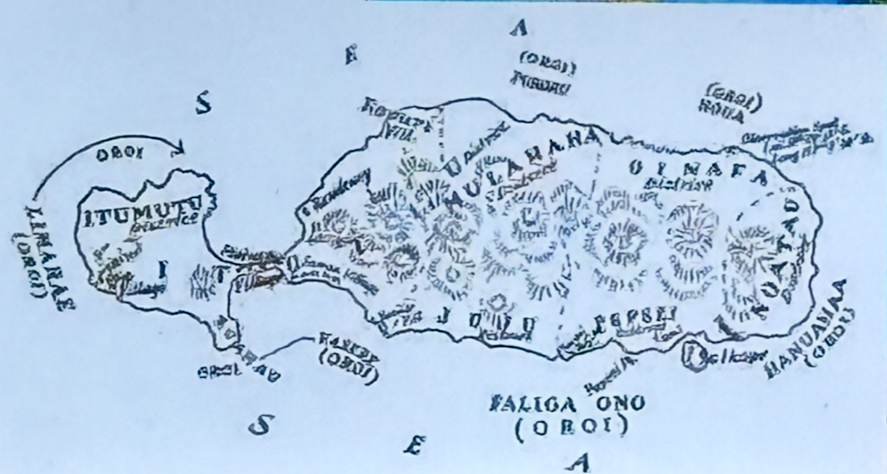
We then had our second lecture with Monifa who guides pacific island governments on treaties regionally and internationally to discuss her home Island of Rotuma. Rotuma is a richly biodiverse Island in Fiji regarded as a “feminine world” emphasized through the shape of the island, shaped as a woman, and stories of birds and winds that come from Tonga that are focused around the female bird nesting. As well as being a matriarchal society Rotuma is a significant seaport in between islands. Monifa reminisced on how the changes to Rotuma over her lifetime including changes in seasonality, shifts in seasonality, erosion to coastlines, and changes in agriculture.
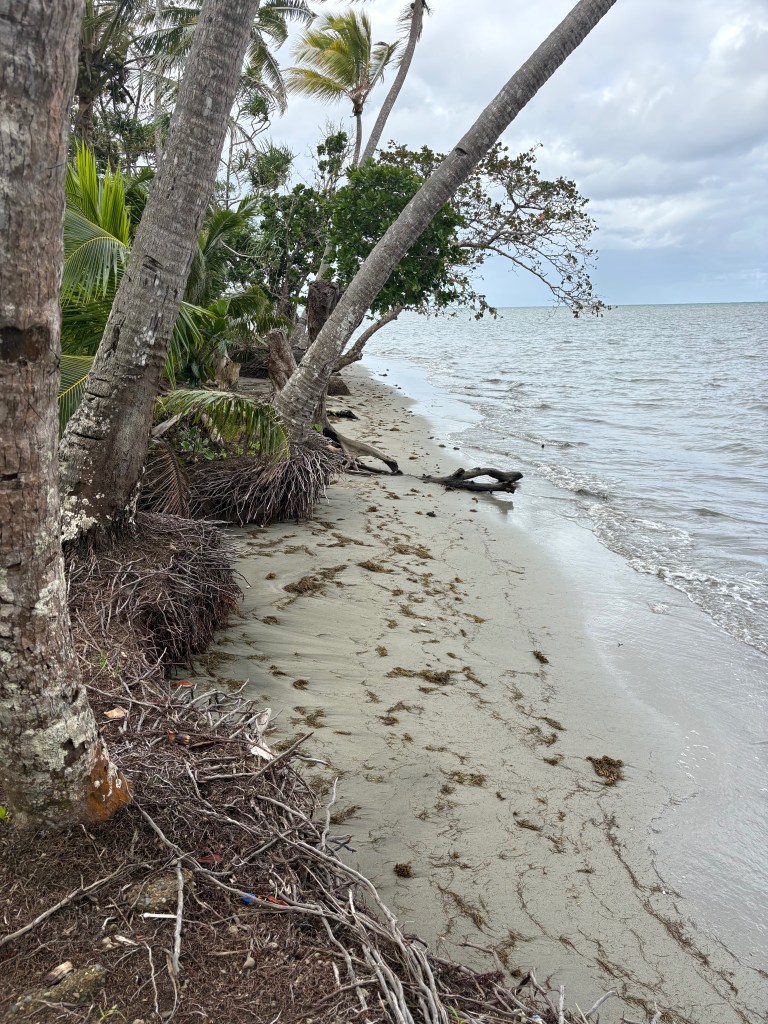
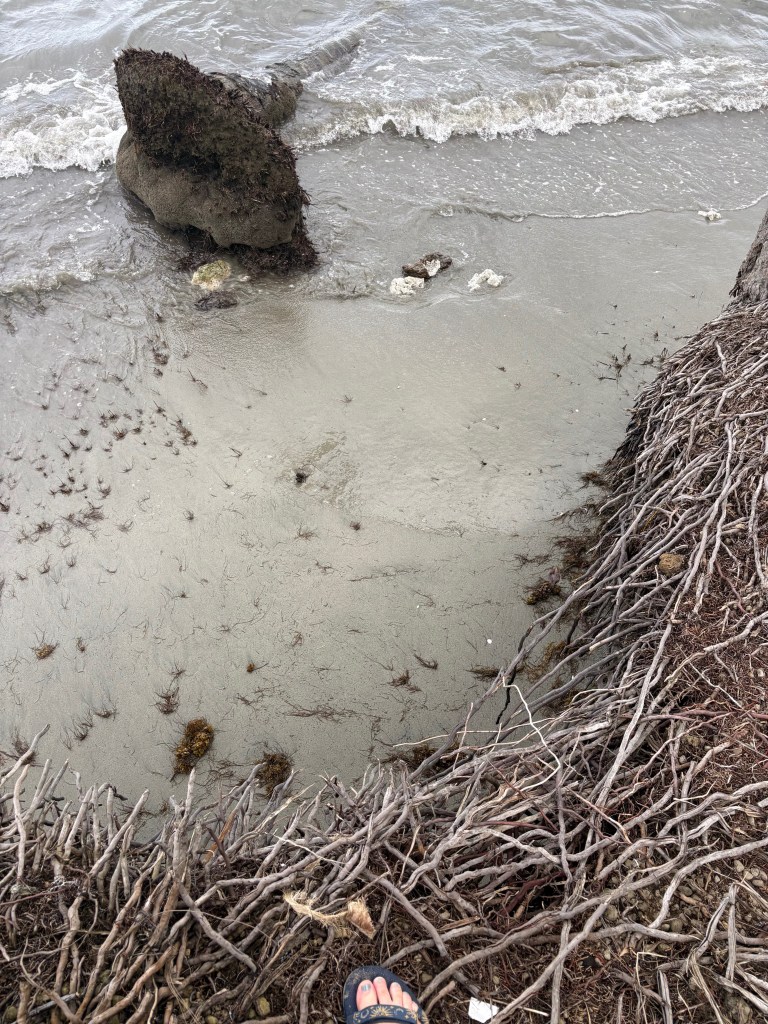
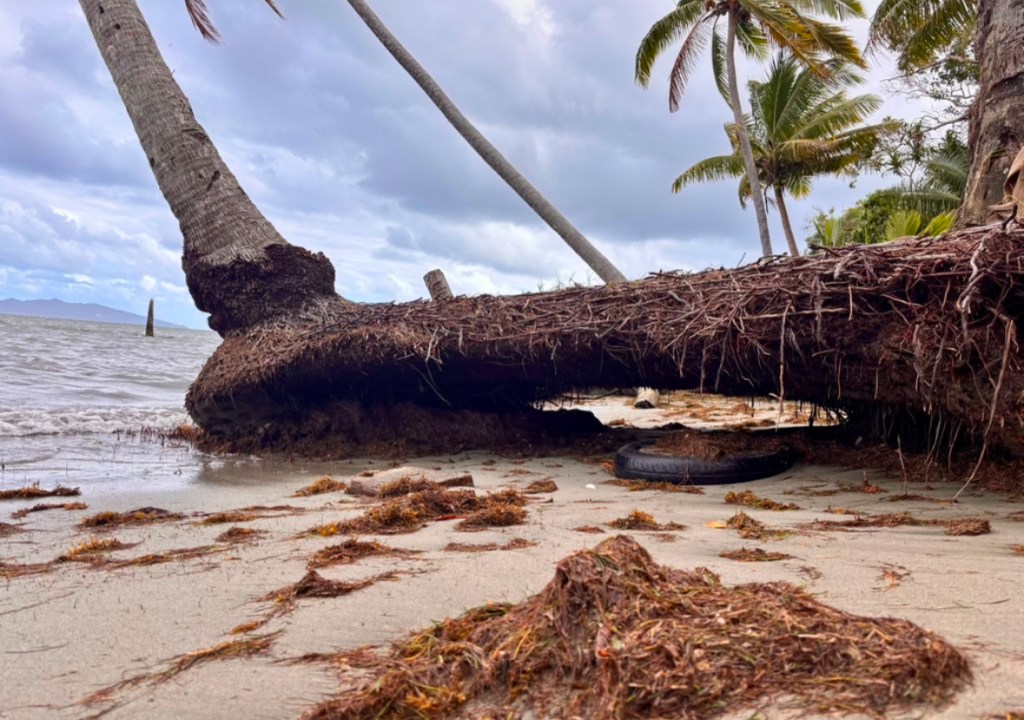
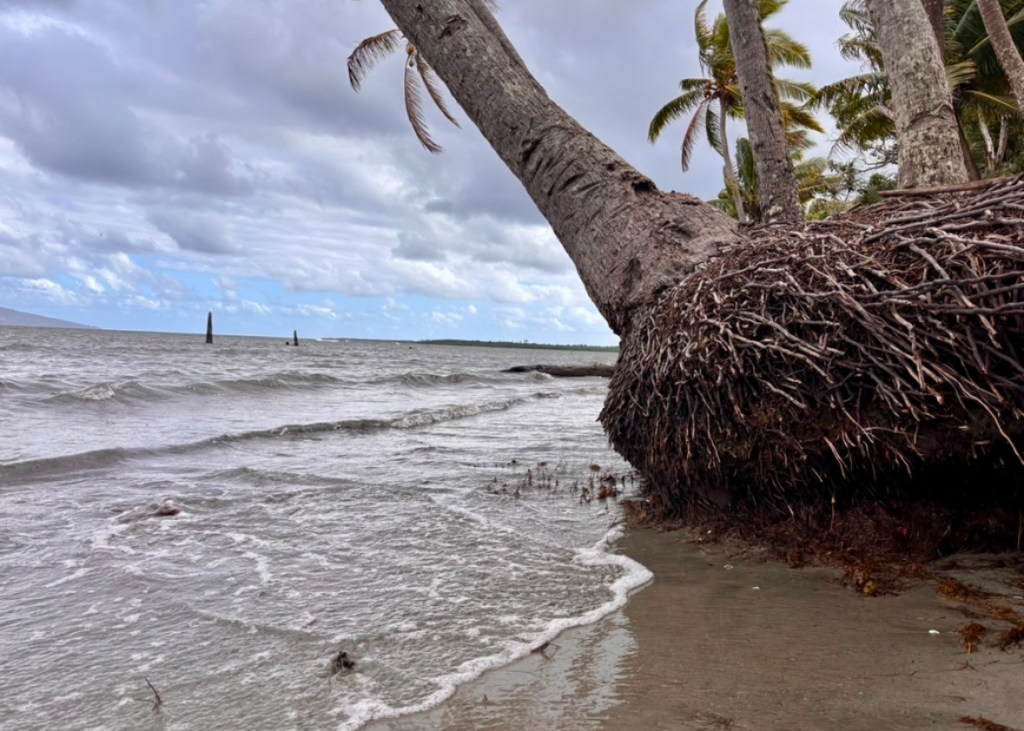
Following our lectures and lunch we took a trip to a village heavily impacted by rising sea levels, Togoru, and met with Barney Dunn, a fifth-generation decedent from James Dunn. Barney took us out to what used to be the edge of be the highest point on the island, where they buried their ancestors, which was now part of the ocean, and that the bones of those laid to rest were nowhere to be found because the sand, water and constant movement of waves had eroded them into nothing.
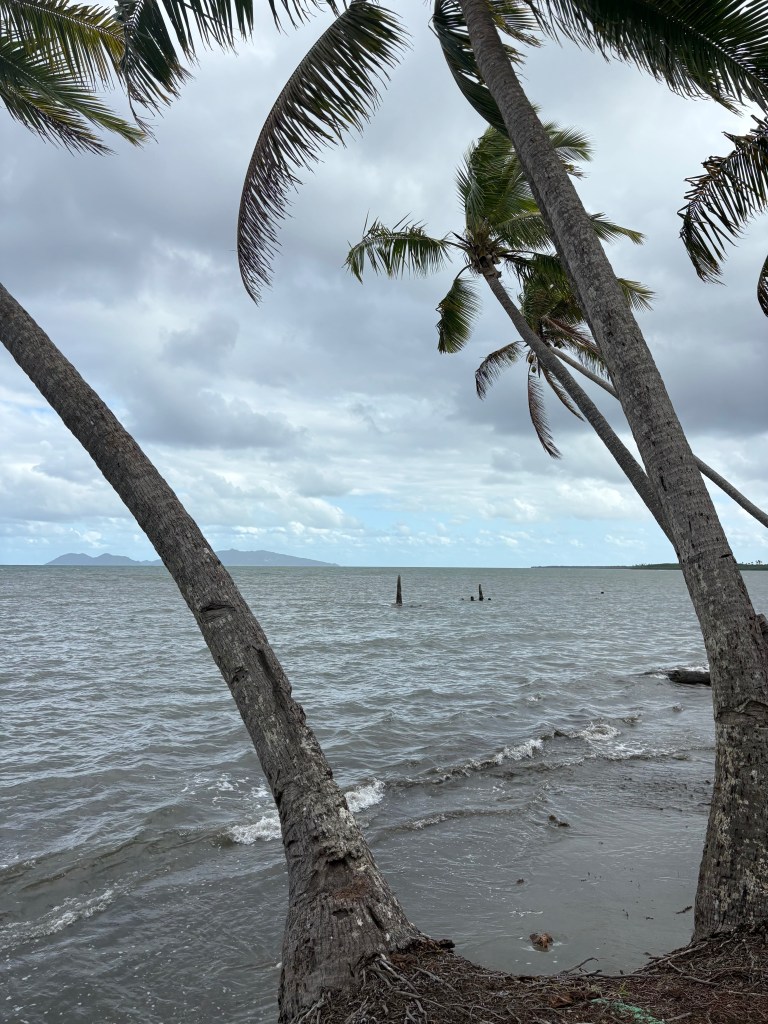
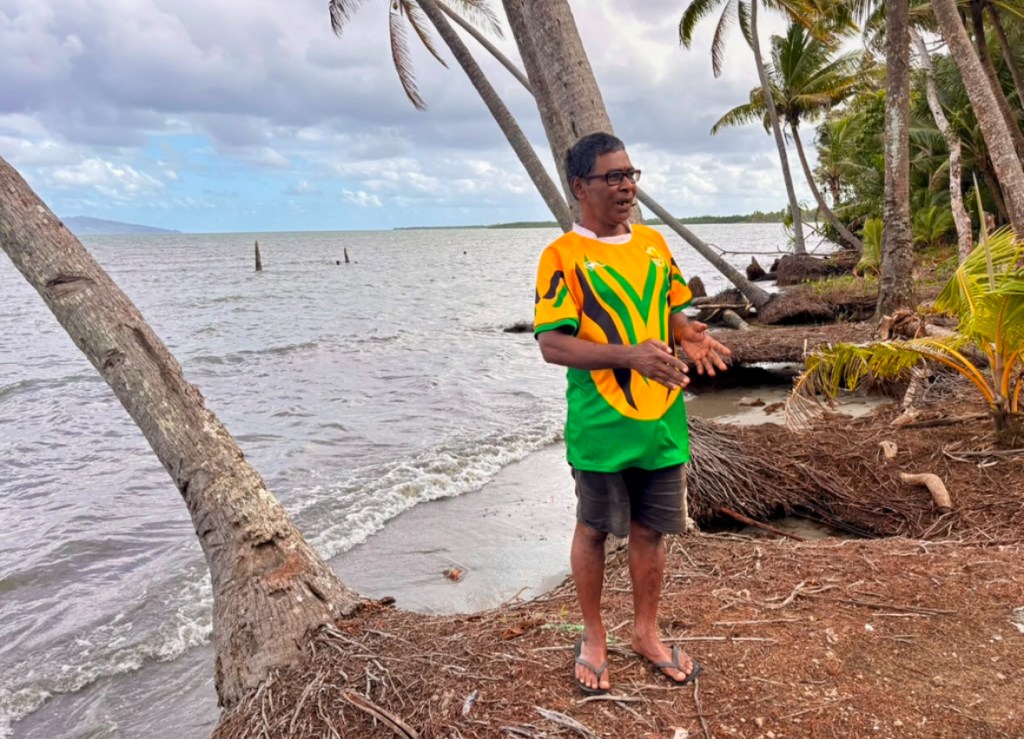
As we stood in awe processing what we were seeing and hearing, Barney told us that they had lost 6 acres of land in the last 300 years and currently only had 3 left. This may seem insignificant, but the village is currently losing 1.3-1.5 acres of land per year. We asked what the hardest things about this situation was and he replied: the memories, the memories of taking his morning walks, spending time with loved ones and playing rugby on that field he said, as he pointed to the ocean. He also told us that the government had promised a sea wall to the village to prevent erosion, but had given away the money to another village, saying that the government treated them as an ignored child, and that they continue to ask for resources but never got help. The PPC is working on a sea wall erosion project using tires to help the village. Barney said that the trees that are shown below would not last till Christmas as erosion continues.
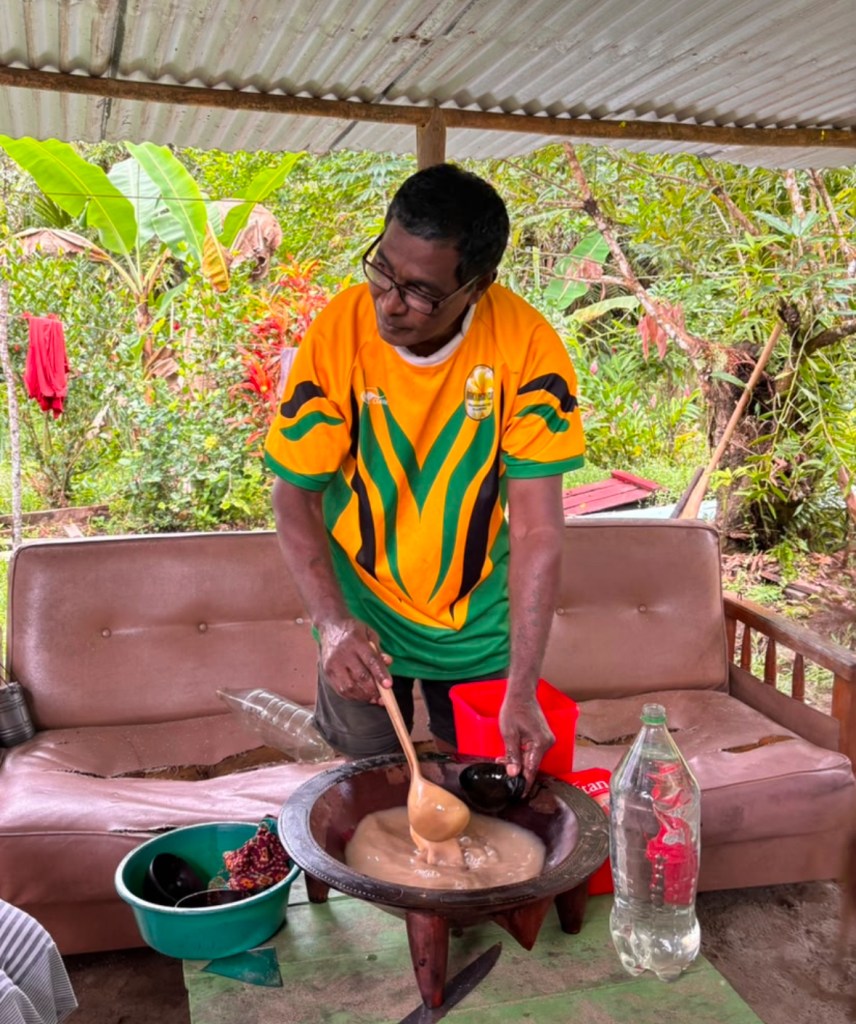
We ended the visit sharing a traditional beverage called Kava, that Barney served us as we continued to ask him questions about his life and how it has been impacted by his experiences in living in a village that is shrinking do to coastal erosion.
If I could leave you with some advice, it would be to be grateful for the abundance we have and to evaluate the changes we could make in our own lives to do something better for the earth. Asking yourself the question Reverend James posed: Is a Pacific island life worth less than American comfort?
 Pacific Climate Justice TREK
Leave a comment