Sofia Wolken
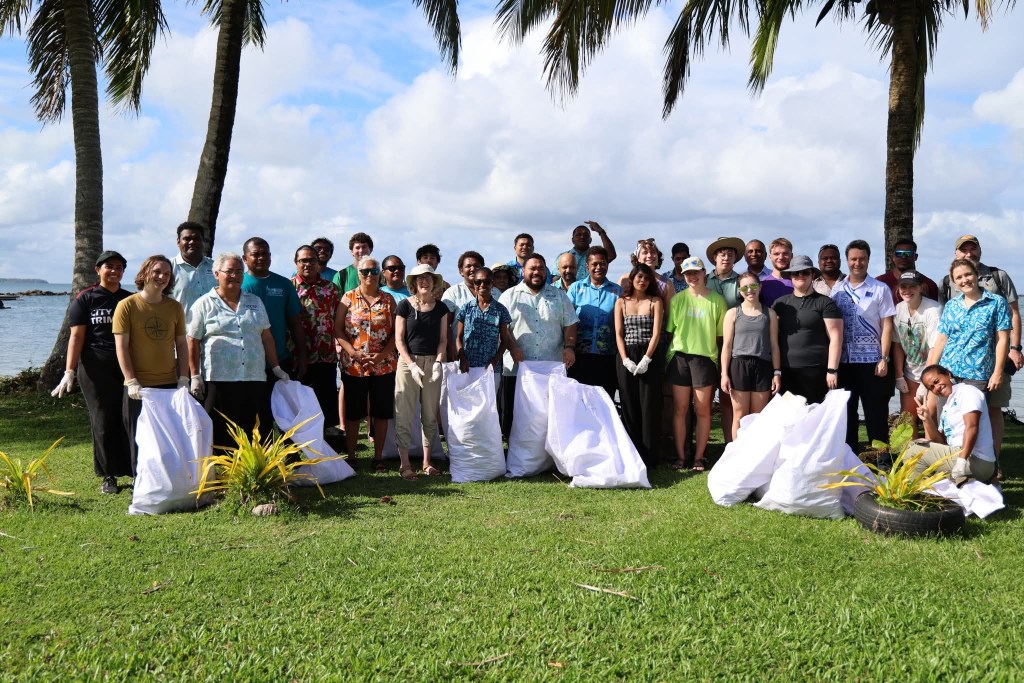
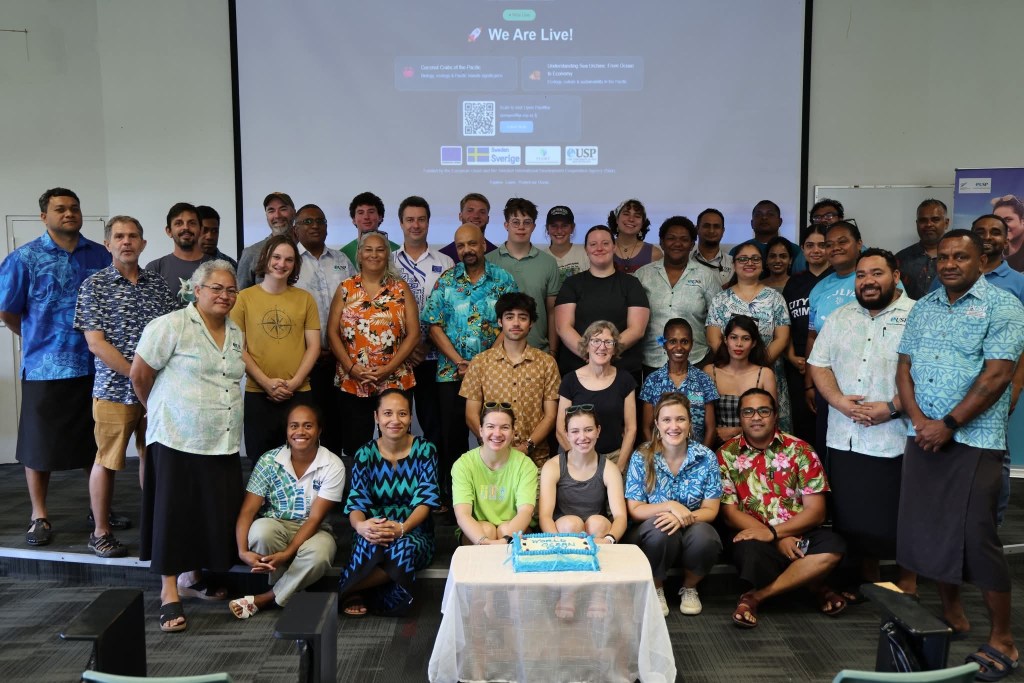
Happy World Ocean Day! Today is Monday, June 8th and we had the amazing opportunity to celebrate world ocean day in Fiji! Our day began with a trip to the lower campus of the University of the South Pacific (USP). They had a program called the Pacific – European Union Marine Partnership Program (PEUMP), which helped organize activities for World Ocean Day. I was excited to be able to celebrate this day in a place where the ocean is so important and valued in the culture, history and everyday lives. We were able to hear from and meet professors from the USP and members of the PEUMP. The program day started off with introductions and the speaker talking about the significance of World Ocean Day, which is for raising awareness and honoring the oceans that we share and taking action to help protect the oceans. A way that we took action was attending this World Ocean Day event, and participating in a beach cleanup, where we went to a nearby beach to collect trash and debris that had been brought onto the shore. At the end of the trash cleanup, we took a group picture and weighed all of the waste. Another part of the World Ocean Day program, was when the members of the USP and the PEUMP released free online courses dedicated to learning about the ocean. The website, linked here: https://openpasifika.usp.ac.fj offers 2 courses, one about sea urchins and the other about coconut crabs. Both courses explore the ecosystems that these organisms live in, and how they are being harmed because of climate change. Finally, to wrap up the activities, we had lunch with all of the members and shared a World Ocean Day cake to celebrate the day. It was amazing to experience World Ocean Day in the South Pacific, and to take part in a small act, like cleaning a beach on a day dedicated to honoring and taking care of the oceans.
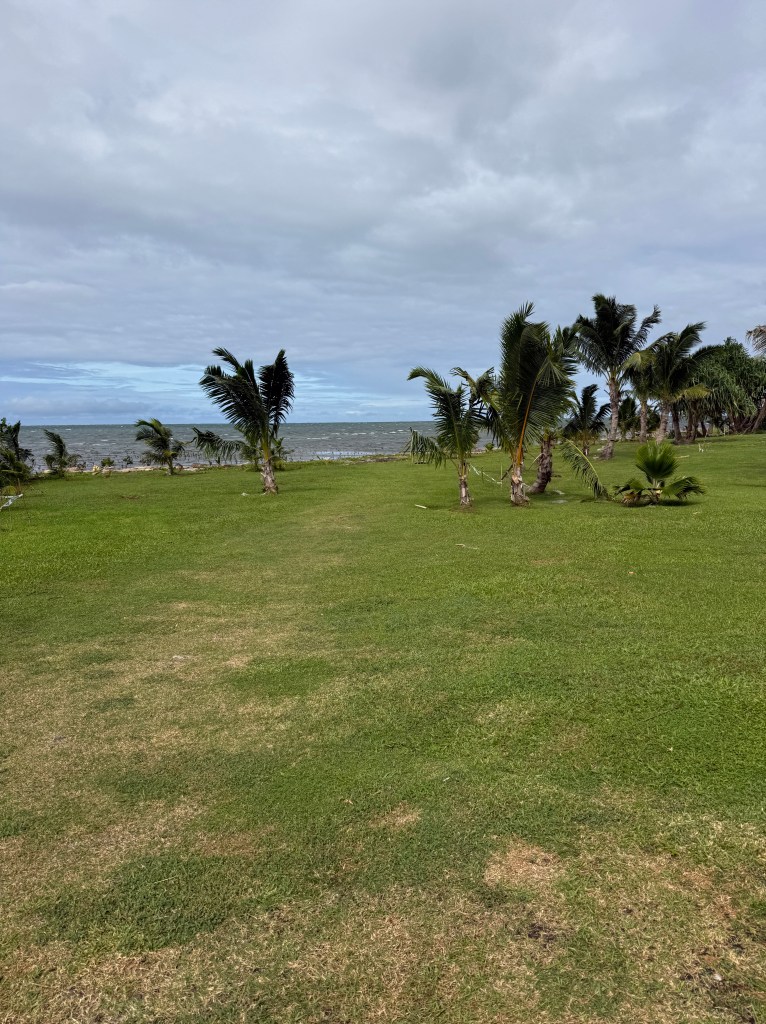
In the early afternoon, we took a walk along the beach as the clouds came in and it looked like it was going to rain. It is so amazing how quickly a sunny, clear day can change into a cloudy, windy day. Although it was a beautiful beach walk, there was still a great deal of trash left on that beach as well. It is heartbreaking to see so much trash on such beautiful beaches, and seeing first hand how pollution can have such a negative impact on the oceans themselves, and the wildlife living in and around them as well. This was a nice way to appreciate the oceans, and at the same time see the impacts we have on such a rich natural resource.
Our final activity was a lecture with Mr. Fiddle Casimira, titled “Christianity, Colonialism and Development”. We were once again in the PCC office, where Mr. Casimira talked to us about the effects and importance of Christianity within the South Pacific culture, and how that has changed with colonialism and development. His presentation was titled “Three idioms in a proverb”, which I thought was an interesting title. After we reviewed what idioms and proverbs were, he shared a proverb that has 3 idioms within it, which reminds people how to appreciate and view the earth. The proverb read: “Lo Se Rere, Lo Se Vas Ta, Lo Se Laloga”. The first idiom in the proverb, ”Lo Se Rere” means “always look up” which refers to the stars, and how the cosmos brings us all together as conscious beings with responsibility. The second idiom, ”Lo Se Vas Ta” means to “always look out”. Mr. Casimira explained how before you go fishing or diving into the ocean, you must always look out into the ocean and know how you are part of the earth. There is a balance between the needs of the community and the environment, and that ecological balance needs to take place for ecosystems to function. The final idiom, “Lo Se Laloga” means “always look in”, which refers to the biodiversity within a human. He tied these to Christianity by sharing that the first idiom refers to cosmic spirituality and how we are conscious, the second idiom refers to ecological spirituality and how we value nature and humans no matter what, and the third idiom refers to where Christianity comes from. These idioms and proverbs were pulled from experiences and have meaning, which when used together create a balance in the earth through the land, sea and people. Mr. Casimira shared about knowledge being passed down through generations and how important stories are, and stated that we are privileged to be on this earth, but we have a responsibility too. This really resonated with me, and I think it is a powerful way of thinking about our purpose on earth, and how we must believe ourselves to be part of the environment, but with responsibility and reciprocity. He also stated that “if you keep believing that humans are at the center of the universe instead of part of the universe with responsibilities, nothing will change”. This was inspirational to hear, and tied back into the idioms and proverb that Mr. Casimira shared at the beginning which made
 Pacific Climate Justice TREK
Leave a comment