Naomi Kaczor (June 7th, 2026)
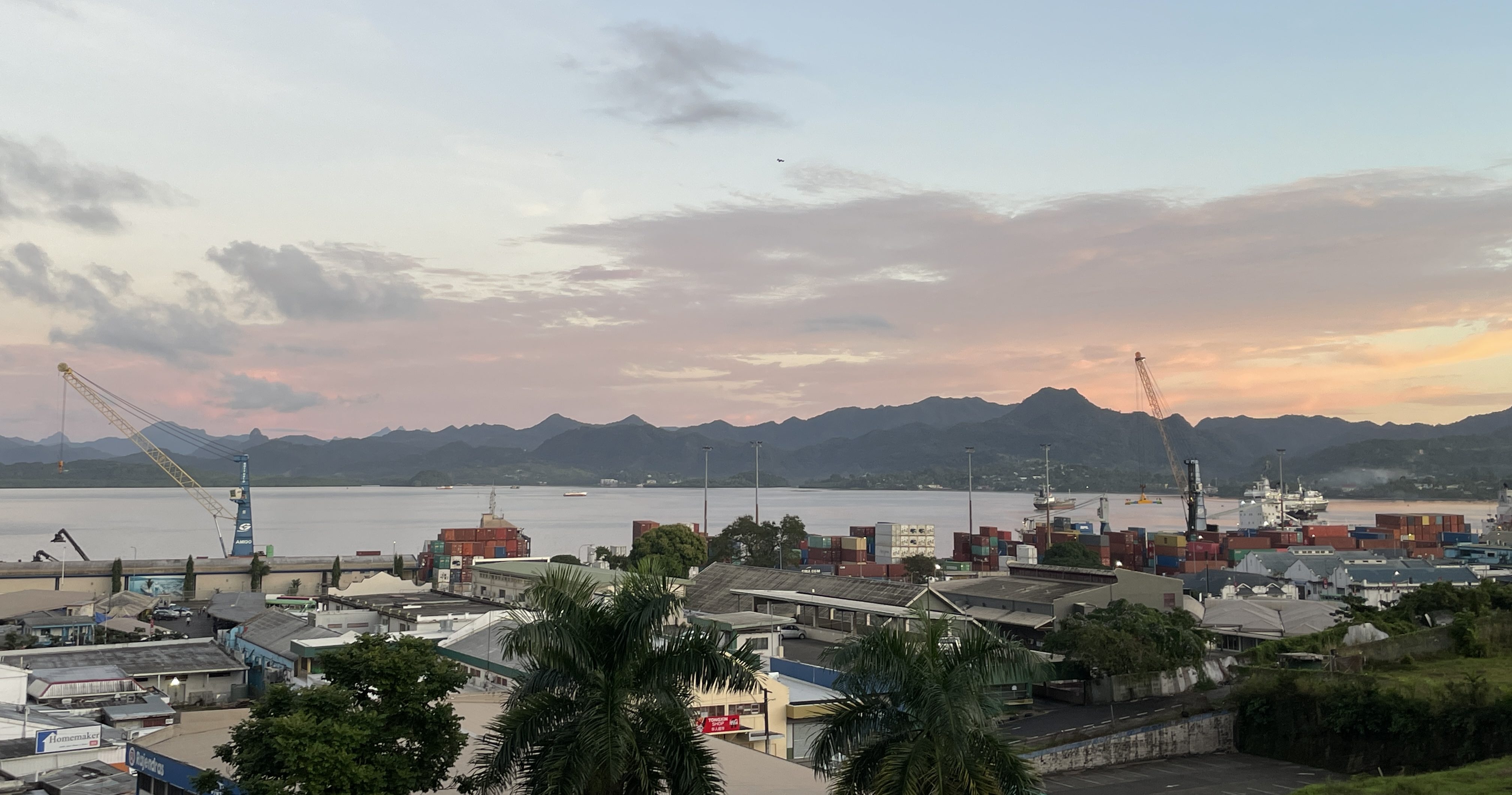
It was a beautiful Sunday in Suva, Fiji. Many of us woke up before dawn due to lingering jetlag and enjoyed hearing the chorus of birdsong and church choirs as the day began.
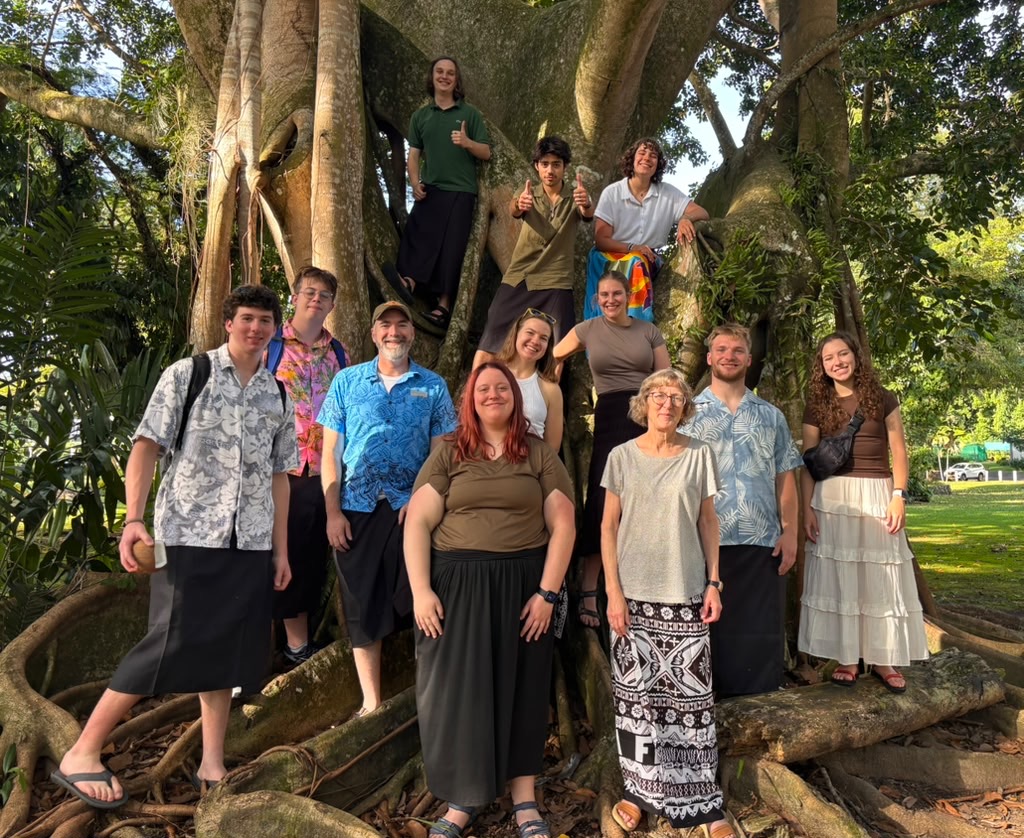
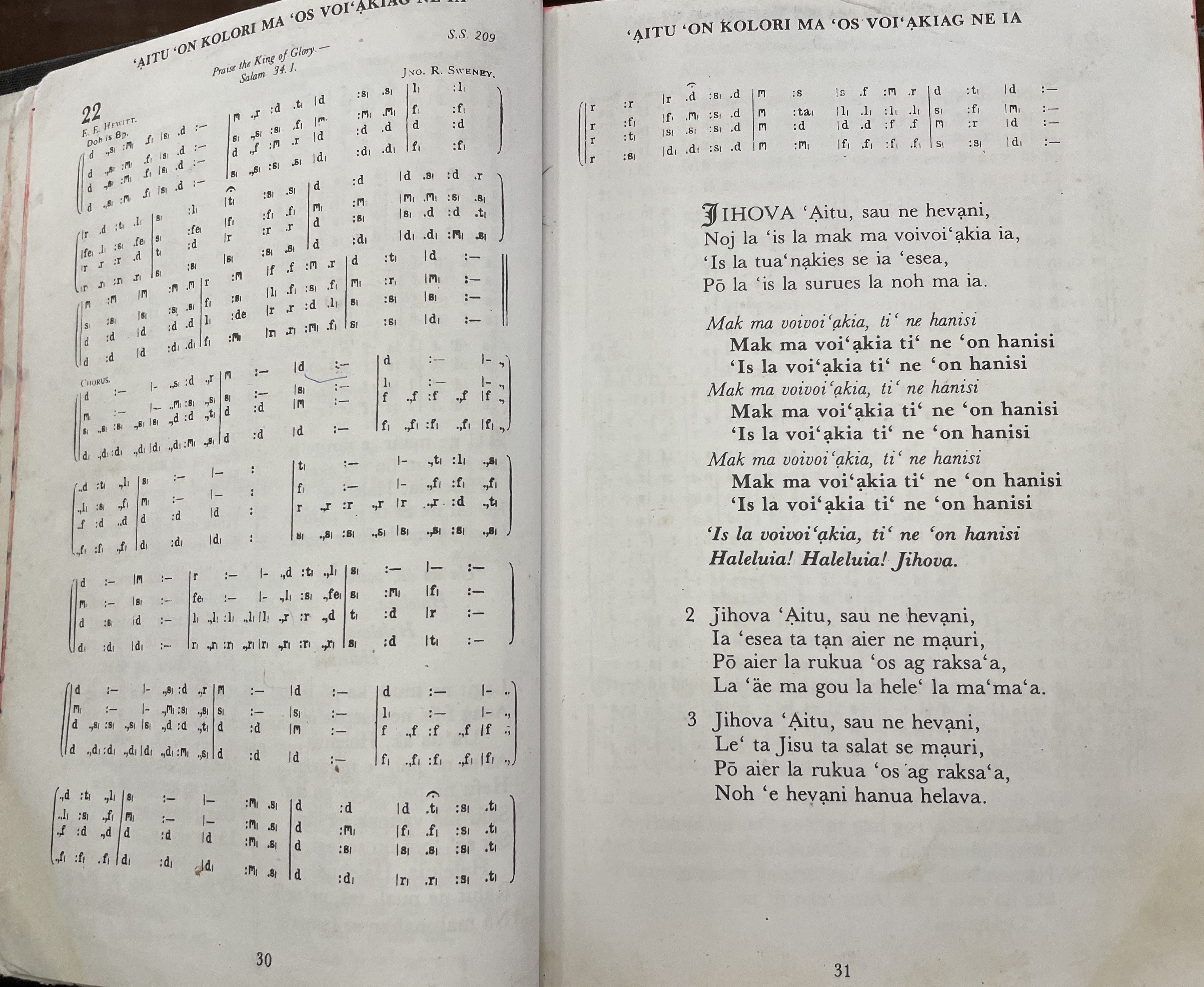
In our newly acquired traditional garbs of sulus (black wrapped skirts) for men and sarongs (colorful wrapped skirts) for women, we headed to a local church to join their Sunday morning worship service. The minibus dropped us off, and we were welcomed into the church, only to realize after sitting down that we had arrived at the wrong church. We were at the Tongan church, but were supposed to be at the Rotuman church. Luckily, the correct church, Churchward Methodist Church, was within walking distance. As we walked into the church, a man played the Lali (slit gong drum) outside, which is used to signal the summoning of congregations for church services in Fiji. We were greeted with the warmest welcome, which was the only part of the service in English. The rest of the service was conducted in Rotuman, the language of the island of Rotua, which is inhabited by only a few thousand people, making it an extra special experience to hear their language. Despite not understanding the exact meanings of the words being used, it was still a spiritually moving experience, especially to hear the beautiful singing and angelic harmonies of the choir. After the two-hour service, we met John, an elder of the church, who eagerly shared how he had been a part of the construction of the church building 45 years ago. The octagonal shape of the church had stood out to me, so I asked John what the significance of the octagon was. He explained that there are seven districts on the island of Rotua, so each side represents one of the districts, plus an additional eighth side to represent the Rotuman population living here on the main island of Fiji, Viti Levu.
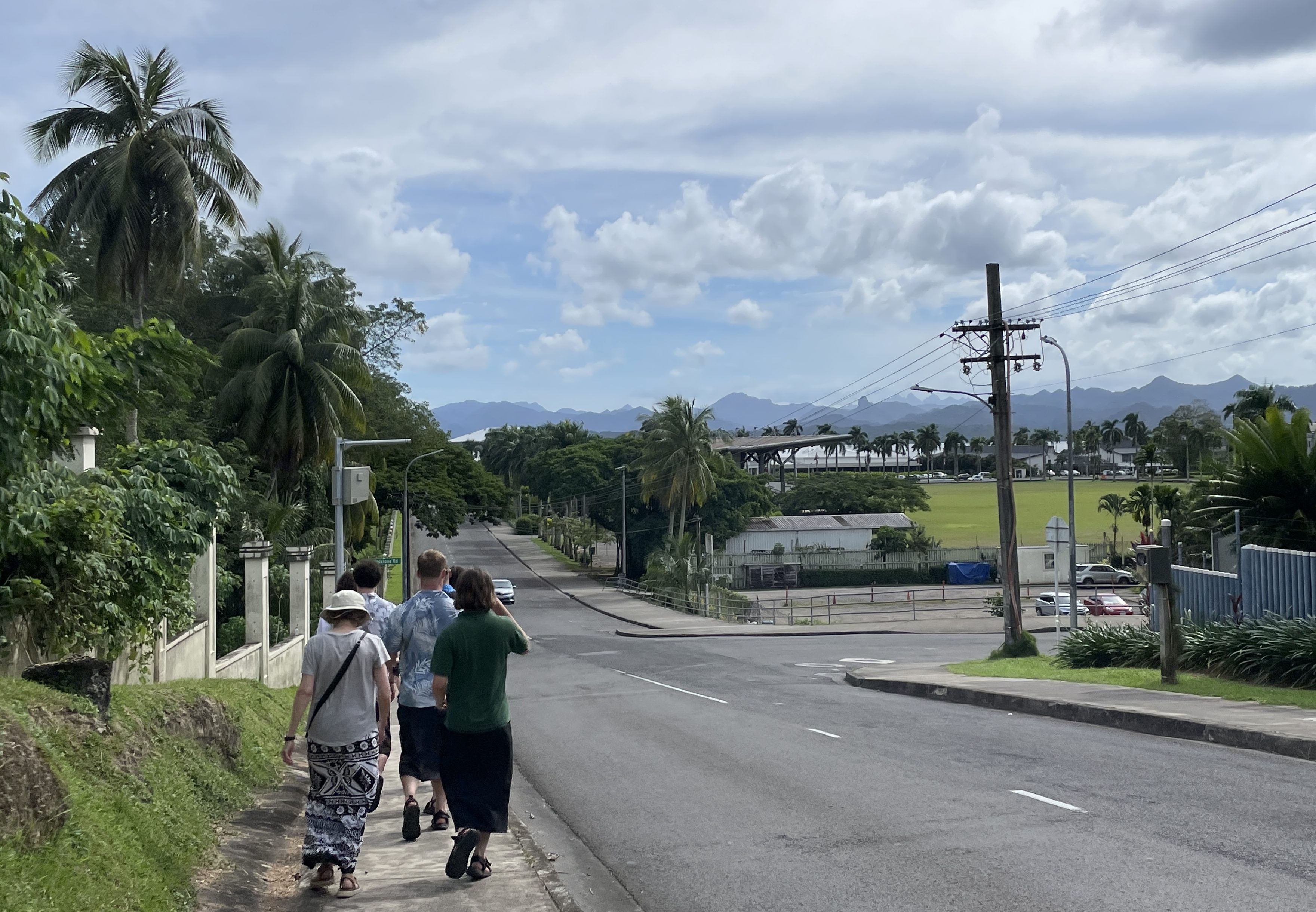
After church, we walked to a nearby food court for lunch then headed to the Fiji museum. Along the way, we admired the brightly colored tropical flowers and views of the ocean with lush green mountains on the horizon, all reminders of the ever-present natural beauty all around us.
At the Fiji museum, we learned about some of the history of the Fijian people, how they crafted advanced double-hulled canoes (Drua) using natural materials to fish and voyage across the Pacific ocean (Fun fact: Disney came to Fiji to do research and gain inspiration for the Moana movie). We focused on looking for stories of struggles and successes, which I found evident in the section about community conservation efforts and how climate change is impacting Fiji. In the face of village relocations, increased flooding, and land and crop loss, amongst other negative impacts of climate change, there are many community conservation efforts working to protect and restore the wildlife and natural environments of Fiji.
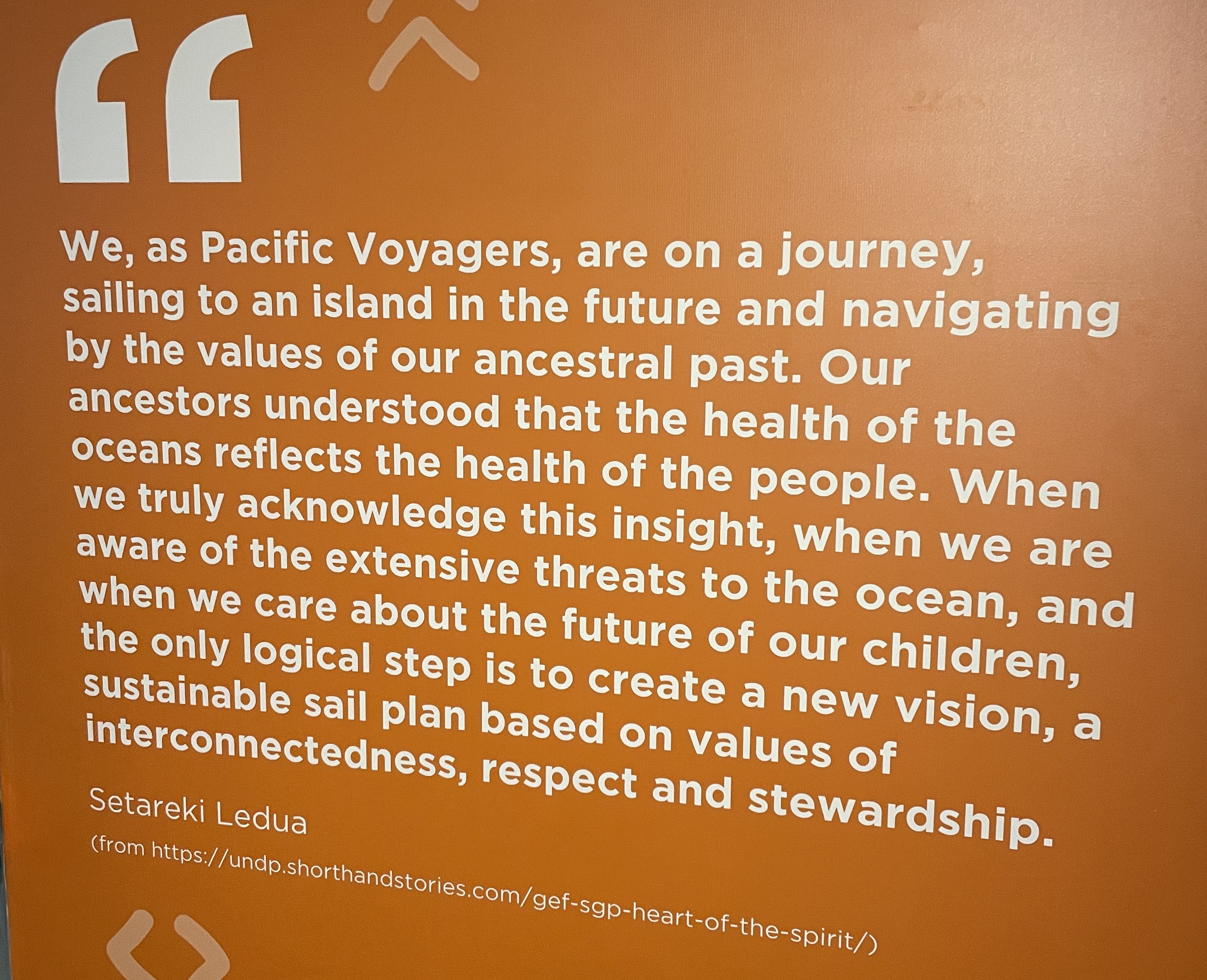
Our day concluded with a lecture from Rev. James Bagwhan about the history and culture of Fiji and the “blue continent.” Much of the lecture focused on how the traditional values and mindset of the Pacific can help us address climate change and develop sustainable solutions. Rev. James explained how the “new normal” of COVID, in which we had a deeper appreciation for connection, community, and sharing of resources, was the “old normal” of the Pacific. The mindset and culture of abundance, reciprocity, and hospitality are foundational to Pacific Island culture, and will be foundational in creating the necessary changes to address the climate crisis. A key point of Rev. James’ lecture is that we need a balance of both the modern and traditional working together to address the risks and challenges of climate change. He expressed that “climate change is generational change,” and therefore, working toward climate justice requires us to hold ourselves responsible for the well-being of future generations. Importantly, he emphasized that the necessary changes to address climate change will be inconvenient, and he posed the crucial questions: Are we willing to be inconvenienced? Is a Pacific island life worth less than American comfort?
 Pacific Climate Justice TREK
Leave a comment